By ED O’DANIELS
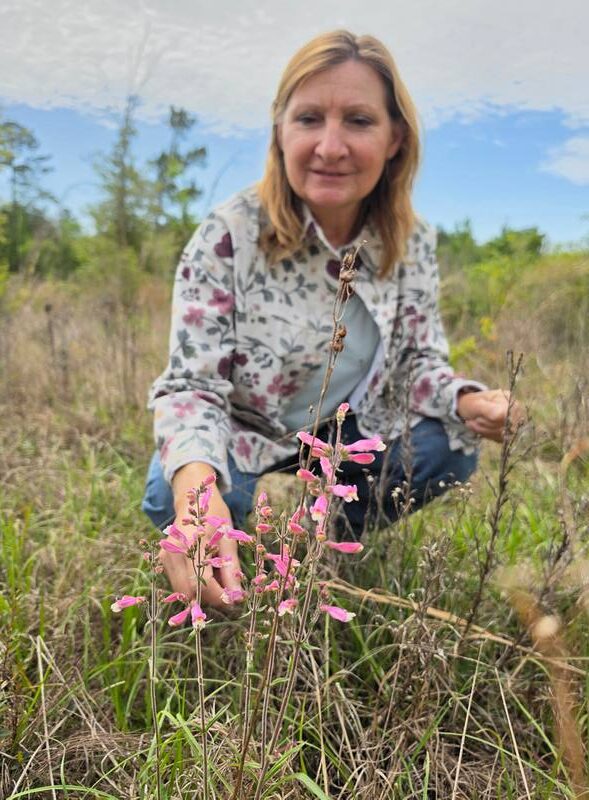
The Florida Fish and Wildlife Conservation Commission’s (FWC) Landowner Assistance Program (LAP) biologists value the conservation efforts of private landowners in Florida and work to support Florida’s landowners with practical tools to meet their objectives.
With more than half of Florida’s lands in private ownership, the FWC recognizes the importance of privately owned lands for both species and habitat conservation. The FWC’s LAP private lands biologists support those landowners by recommending habitat management options and connecting them to resources to achieve their goals. Landowners often know their property better than anyone, and an experienced biologist can supplement that knowledge with technical guidance and encouragement to help the landowner become more confident and skilled land stewards.
Building relationships with landowners across Florida is a top priority for the FWC. The relationship often starts when a landowner expresses interest in the FWC’s programs and invites an LAP biologist to visit the property. During the visit, LAP biologists discuss the landowner’s goals, assess habitat conditions, and develop a plan with the landowner to meet the conservation or management needs on the property. While on site, the LAP biologist can help identify any plants and animals the landowner is interested in and discuss habitat improvement techniques, such as using prescribed fire, timber thinning, tree planting, enhancing pollinator habitat and hardwood removal. Often, biologists also help identify invasive species and can offer options to reduce their negative impacts.
LAP biologists share both their professional knowledge and in-the-field experience, along with offering a toolbox loaded with helpful programs from the FWC and its partners. For example, biologists can help landowners benefit from cost-share programs from the U.S. Department of Agriculture, silvicultural expertise and financial assistance from the Florida Forest Service, and ecosystem experts from non-governmental organizations, such as The Longleaf Alliance, Tall Timbers and Alachua Conservation Trust.
If habitat on the property is eligible, LAP biologists can provide very specific information about the FWC’s opportunities within the Gopher Tortoise Recipient Site Program. This program allows financial compensation for receiving relocated tortoises in exchange for proper, long-term habitat management. The Private Lands Tool Cache Program provides tools and resources to meet a landowner’s management goals, such as for wild hog removal and treatment of invasive plant infestations. Also, for landowners with suitable habitat in certain South Florida counties, LAP biologists can help them apply for incentive funding through the Panther Payment for Ecosystem Services Program. This program is designed to help maintain Florida panther habitat, encourage species population growth and expand their range.
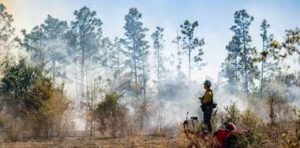
LAP biologists also work closely with the North Florida and Northwest Florida Prescribed Burn Associations, which are locally led groups that help landowners gain experience on how to safely use prescribed fire to manage their land. They bring landowners together to increase the safe use of fire on private lands by sharing tools and labor under the guidance of experienced prescribed burn managers.
These groups, along with the tools mentioned above, are available to landowners at no cost, in support of the stewardship they provide to our fish and wildlife resources across the state.
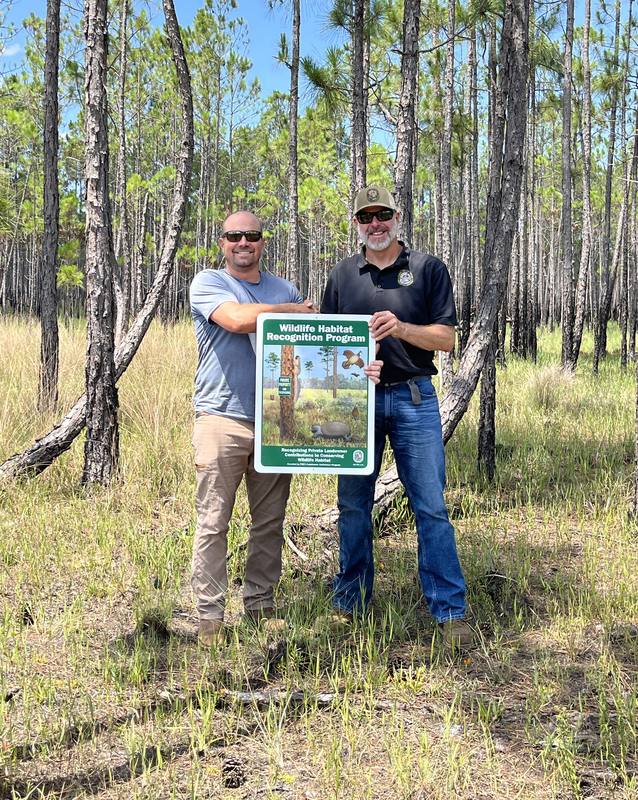
The FWC’s Landowner Assistance Program recognizes the hard work of private landowners who manage their property to provide food, water, cover and shelter for game, non-game and imperiled species. For instance, exemplary landowners are honored through the FWC’s Wildlife Habitat Recognition Program. If selected, the landowner receives a certificate of appreciation and a commemorative sign to display.
LAP biologists enjoy sharing their knowledge and passion for habitat management with private landowners through educational publications, workshops and events. For landowners who prefer to learn by reading, LAP biologists provide publications on a wide range of topics, from acorns to wildlife food plots. Partnering with fellow agencies and organizations, the FWC’s LAP biologists host outreach events aimed at effectively communicating land management techniques, programs and knowledge on topics including fish, wildlife, timber, groundcover, pollinator habitat and habitat management techniques. Whether through a presentation, publications, a booth at the fair, a property tour, or a chance meeting, an LAP biologist is eager to help and share their knowledge and resources.
With more than 19 million of Florida’s nearly 35 million acres in private ownership, the legacy of private land stewardship is a critical component of protecting Florida’s fish and wildlife, and the wild and rural places they need to survive. The FWC’s Landowner Assistance Program is proud to work with Florida’s dedicated landowners to provide these tools and ensure Florida is home to abundant wildlife for generations to come.
To learn more about LAP or request assistance from an LAP private lands biologist, please contact your FWC Regional Office or visit MyFWC.com/LAP.
Ed O’Daniels is FWC Landowner Assistance Program Regional Coordinator