

Appeals Court Vacates Injunction Behind Brevard Septic Moratorium

The U.S. Court of Appeals for the Eleventh Circuit on October 8 vacated the judgment and injunction in Bear Warriors United v. Florida Department of Environmental Protection, creating a path toward lifting the court-imposed septic moratorium affecting Brevard County.
EPA Deputy Administrator: Agency Focused on Cutting Red Tape, Permitting Efficiency, State Partnerships
EPA Deputy Administrator David Fotouhi toured Northwest Florida this week, highlighting cleanup progress at the Escambia Wood Treating Company and American Creosote Works Superfund sites and discussing the agency’s push to speed up permitting and shift more permitting authority to states.
Why water conservation should be practiced year-round in Florida, not just during extreme droughts
UF/IFAS irrigation researcher Michael Dukes argues that Florida’s water conservation efforts need to be a year-round practice built into daily landscape decisions, not an emergency response reserved for extreme drought.
Florida DEP Testifies in U.S. House on 404 Permitting

FDEP Deputy Secretary John Truitt testified before a U.S. House subcommittee on Sept. 16 in support of H.R. 9017, the Restore Florida Water Independence Act of 2026. The bill would resolve the Endangered Species Act issue that led federal courts to vacate EPA’s 2020 approval of Florida’s Clean Water Act Section 404 permitting program.
ANALYSIS: WOTUS Takes Another Turn: EPA Reconsiders “Wet Season” and a Much Narrower Wetlands Test
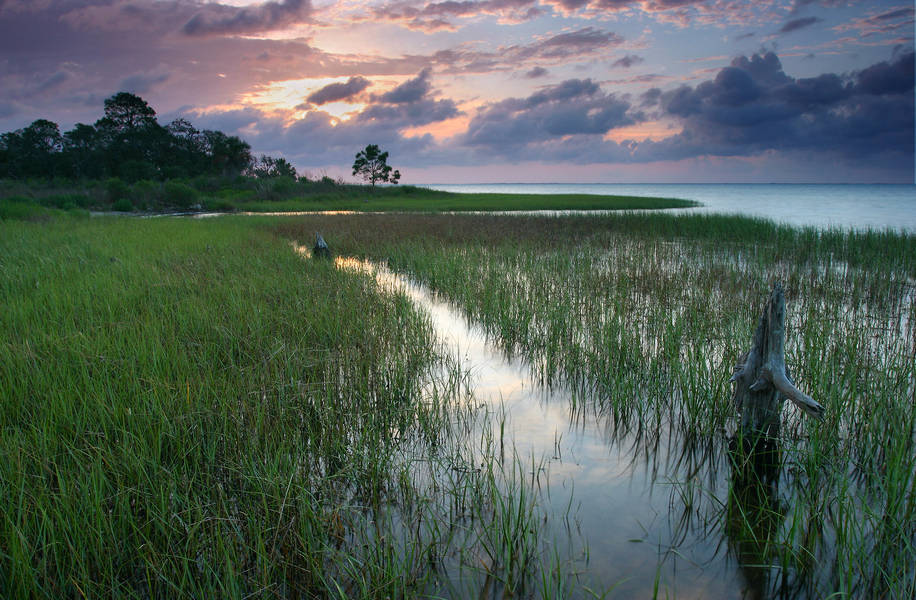
The supplemental proposal moves toward Florida’s recommendations on relatively permanent waters and continuous surface connections, but new implementation questions emerge, including a potential collision with one of the Corps’ most durable jurisdictional policies.
UPDATED: EPA and Army Corps File Proposed WOTUS Rule, Comment Deadline Set
The U.S. Environmental Protection Agency and U.S. Army Corps of Engineers released a significant new step in the long-running effort to redefine “waters of the United States,” or WOTUS, heading into the Labor Day weekend.
The Battle Over Wetlands Permitting Authority Continues in Florida

A long battle over wetland permitting jurisdiction in Florida may be extended for another round as the U.S. EPA (EPA), the U.S. Fish and Wildlife Service (USFWS) and the State of Florida filed petitions in August for the case over Florida’s wetlands permitting program to be reheard before the D.C. Circuit Court of Appeals.
Restoring Apalachicola Bay is Slow and Expensive
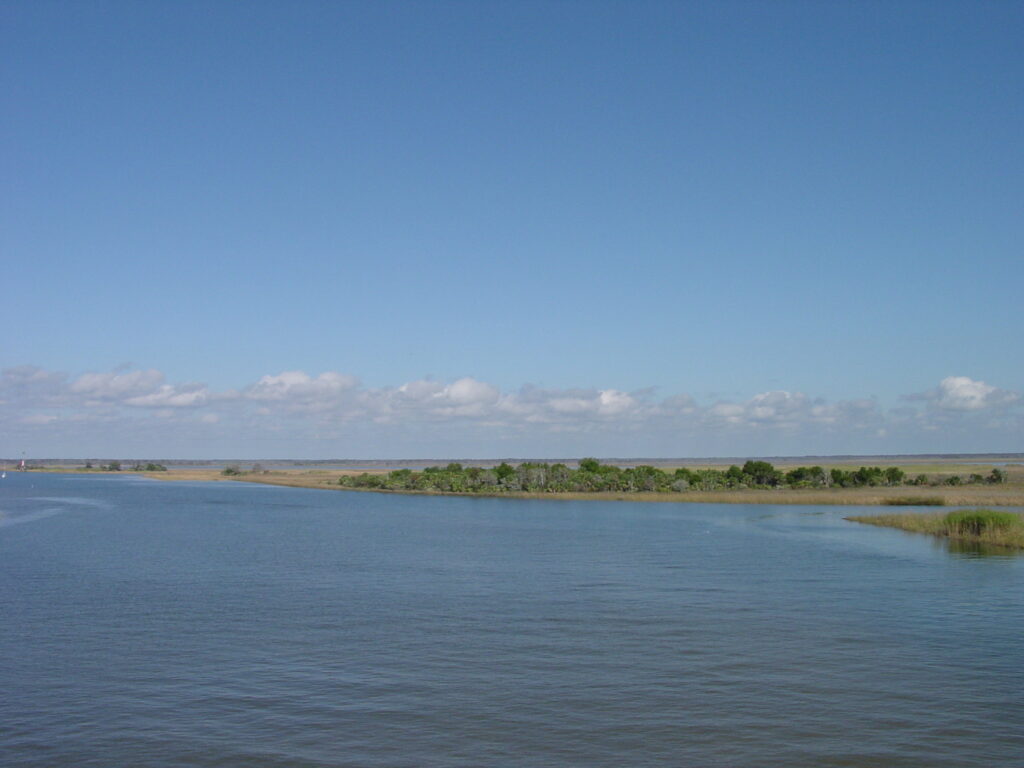
State wildlife officials cut Apalachicola Bay’s oyster harvest limit nearly in half for the coming season after an unexplained die-off closed the East Hole reef, even as Florida continues multi-million-dollar reef restoration efforts following the bay’s 2012 population collapse.
Floridians Are Ready to Help With Pythons – They Just Need a Way In

A new Sachs Media survey of 1,000 Florida voters finds 89 percent call Burmese pythons a serious problem and support state removal efforts, but fewer than one in 25 Floridians have ever taken part in python removal activities themselves.
Blast Aids EAA Reservoir Project
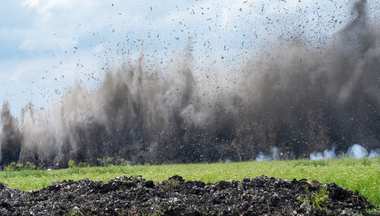
The U.S. Army Corps of Engineers detonated 140,000 pounds of explosive material in May to advance construction of the EAA Reservoir, part of a new state-federal agreement that cuts the project’s construction timeline in half and targets completion by 2029.
Around the Gulf

Around the Gulf rounds up regional energy and environmental news from Texas, Louisiana, Mississippi and Alabama, including new gas- and solar-power plant proposals, a floating LNG terminal green light and a proposed revision to Alabama’s coal ash regulations.
Returning Fire to the Landscape: The Restoration Story of Lochloosa Wildlife Conservation Area

The St. Johns River Water Management District has used three decades of prescribed burning, thinning and native replanting to restore Lochloosa Wildlife Conservation Area, work that helped firefighters contain a wildfire on the property in May 2026.