
By DREW BARTLETT
When I look back at the past eight years, I am both grateful and proud.
We had no lost summers caused by toxic discharges to our coastal estuaries. We recreated the river of grass in Everglades National Park. There were no massive seagrass die-offs in Florida Bay and hundreds of thousands of wetland acres have been restored.
In fact, we’ve gone from having completed one small Comprehensive Everglades Restoration Plan (CERP) project to completing numerous huge projects. Even real flamingos are making a comeback in Florida!
To appreciate how different it is, I reflect on the summers of 2016 and 2018 working at the Florida Department of Environmental Protection, traveling across South Florida engaging communities about harmful, noxious algal blooms, fish kills and red tide. It was an environmental and economic disaster that I will never forget.
In January 2019, I was given the opportunity to do something about it. Gov. Ron DeSantis signed an executive order to correct these problems and expedite Everglades restoration. Soon thereafter, I was called to run the South Florida Water Management District, the high-profile District in charge of the largest ecosystem restoration effort on Earth. Gov. DeSantis pledged to ask for funding, the Florida Legislature was on board, and the District could not fail to deliver.
Fast forward to 2026 and we can safely say that we delivered. Starting in 2019 with the final completion of the Lakeside Ranch wetland treatment system, we have had a cascade of meaningful achievements (close to a 100, in fact) including the completion of many CERP projects.
In 2021, we celebrated the restoration of the Kissimmee River, and now it is designated the Kissimmee River Blueway Trail. I can assure you that nobody wanted to paddle the canal, and now the floodplain with its 45,000 acres of wetlands supports incredible bird watching and bass fishing in a very important wildlife corridor.
In 2021, we celebrated the C-44 St. Lucie Estuary Reservoir and Stormwater Treatment Area completion, and since then it has captured almost every drop of runoff that would otherwise damage the St. Lucie Estuary. Then in 2026, we completed the C-23 canal’s discharge diversion project that reroutes the canal’s water away from the Estuary and into the Reservoir.
From 2021 to 2026, we uncorked Tamiami Trail to get water to Florida Bay to prevent a massive seagrass die-off from wrecking a fishing economy. Old Tamiami Trail was removed, current Tamiami Trail was raised, and an underground seepage wall was installed to prevent flooding. Since then, flows through Everglades National Park to Florida Bay have never been cut off and salinity has stabilized.
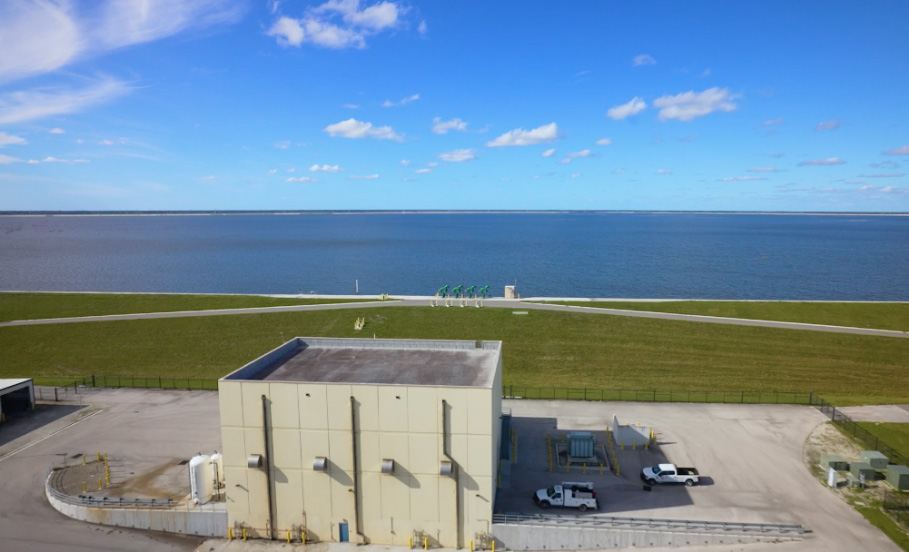
In 2025, we completed the massive 10,000-acre C-43 Caloosahatchee Reservoir, which is so large that Key West could fit inside, twice. It’s so large it can hold enough water to fill Lake Apopka. But sorry Winter Garden, it is for the Caloosahatchee Estuary. We have put it to work, and it is already curbing harmful discharges.
Also in 2025, we completed the Picayune Strand Restoration Project in Collier County, fixing the overdrained hydrology of 55,000 acres of Florida Panther habitat. Let the wading birds and alligators know that they can come home to Picayune Strand State Forest.
Again in 2025, we completed all the Biscayne Bay Coastal Wetlands projects, restoring more than 6,000 acres of coastal marsh by diverting harmful canal discharges into engineered marsh flow ways from Deering Estates to Homestead Airforce Base. Natural freshwater springs have re-emerged in the Bay floor.
And don’t forget, in 2025, we completed the 60,000 acres of stormwater treatment areas and 47 billion gallons of storage necessary to put clean water in the Everglades. These projects are performing extremely well while also providing excellent duck hunting opportunities.
I could go on…and will. We have also inked numerous public private partnerships with private landowners to pump and hold high volumes of water on their ranchlands; built the Lake Hicpochee restoration project, restored the Allapattah Flatts nature preserve, put the Green Heart of the Everglades in Conservation, restored Cypress Creek, planted tens of thousands of plants in Lake Okeechobee, curbed harmful algal blooms to protect public health and more.
We have benefited tremendously from the investments of Gov. DeSantis and the Florida Legislature in real, meaningful water management upgrades in South Florida. But as an environmental professional for my entire career, nothing is more rewarding than observing the actual difference in Florida’s environment.
The river of grass is reconnected through Everglades National Park, the salinity levels in Florida Bay have stabilized, more than 95 percent of the Everglades is now meeting water quality standards, and the estuaries east and west of Lake Okeechobee are no longer receiving those overwhelming harmful discharges and lost summers.
South Florida’s water storage capacity has tripled to 176 billion gallons, and it will soon reach 336 billion gallons with the EAA Reservoir finishing five years ahead of schedule. Restored wetlands have easily increased by more than 100,000 acres and treatment wetlands have increased by more than 10,000 acres.
My colleagues tease me about how many ribbon cuttings we host in South Florida, but none of those jabs come from the people that lived through the economic devastation that South Florida periodically endured for decades. In fact, the issue eight years ago was that we had only completed one CERP project, but no longer. I’ll live with the new jobs.
While I am grateful for the opportunity to help the people, environment, wildlife and economy of Florida during the twilight of my career, we all must acknowledge that it took the staff and leadership of the South Florida Water Management District, the Florida Department of Environmental Protection, and the Army Corps of Engineers to make it happen. Finally, none of this could have happened without the elected leaders of Florida working with our engaged stakeholders to entrust these dedicated people with funds and freedom to get the job done.
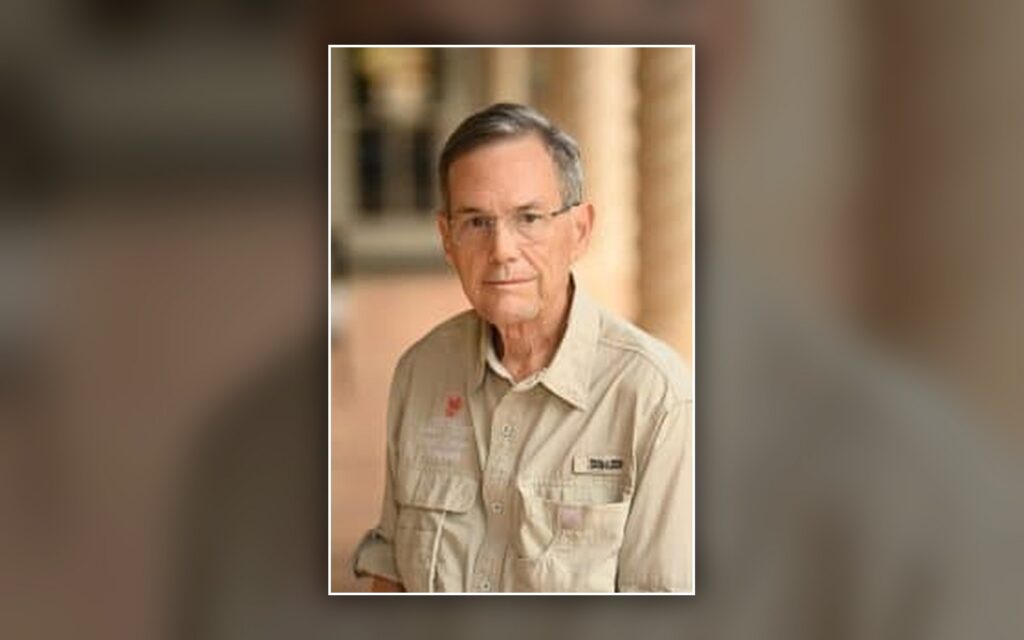
Drew Bartlett is South Florida Water Management District Executive Director, appointed by Gov. Ron DeSantis in March 2019. Prior to his appointment, Bartlett was DEP’s Deputy Secretary for Ecosystem Restoration and Director of the Division of Environmental Assessment and Restoration, both of which followed a 17-year career at the U.S. Environmental Protection Agency.