
By Imran Siddiqui
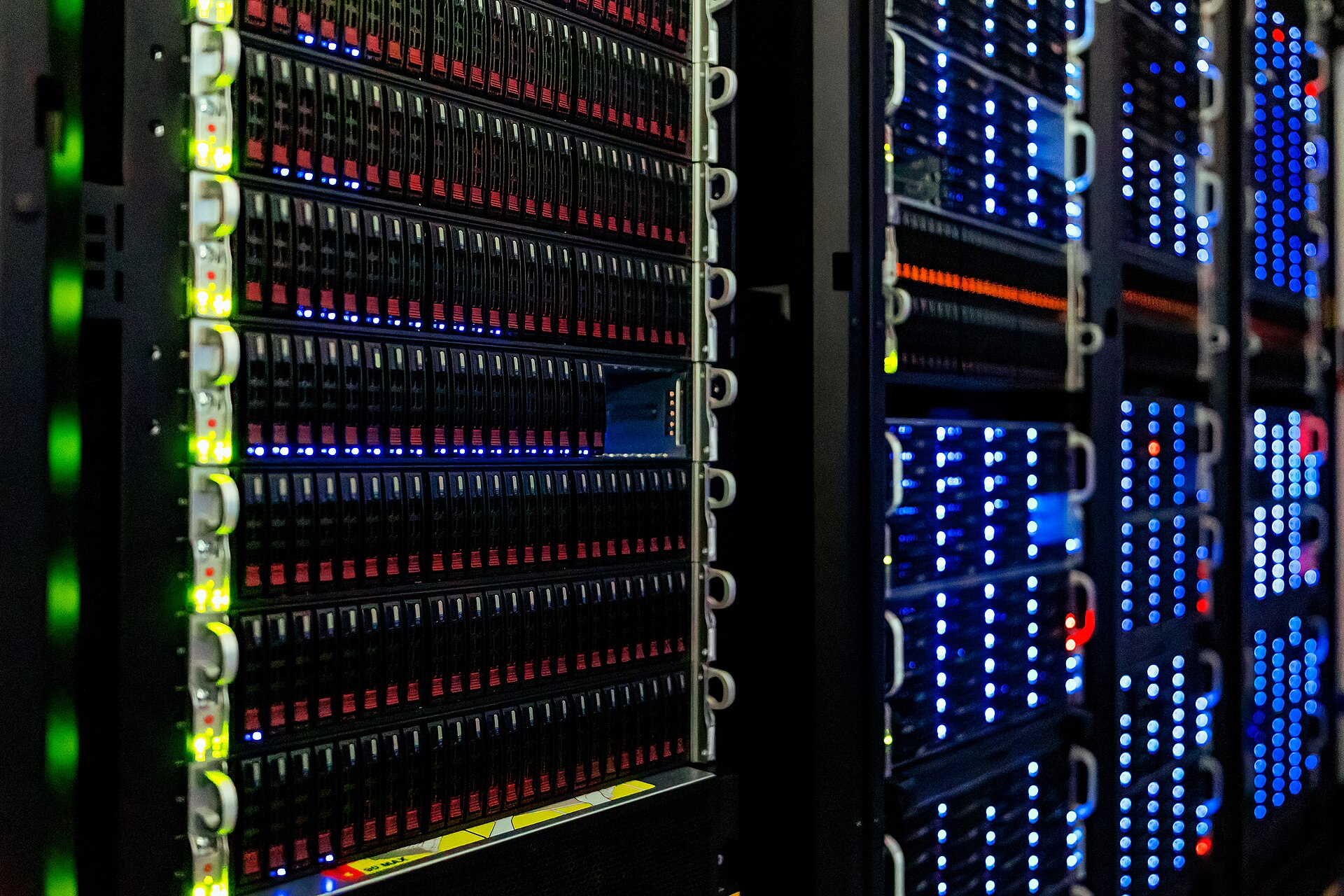
Florida has long faced the challenge of balancing economic growth with protection of its natural resources. As demand for data centers grows, communities across the state are confronting a new version of that familiar question. How can Florida accommodate essential digital infrastructure while protecting its water, land and quality of life?
The answer starts with clear, enforceable standards.
Across Florida, counties and cities are grappling with how to regulate data center development. Some are evaluating proposals, while others have enacted moratoriums while they determine what their rules should be. Local leaders are asking important questions. Where do these facilities belong? How far should they sit from homes and schools? How much water will they use, and from what sources? What limits should apply to noise? Who pays for the electric infrastructure? What happens when a facility closes?
Those questions deserve answers before a project is on the agenda, not after.
At the Florida Digital Infrastructure and Security Alliance (FDISA), we believe Florida can attract investment in the infrastructure supporting everything from health care and emergency response to commerce and education while safeguarding the natural resources and communities that make our state special. Achieving both requires thoughtful planning, measurable protections and collaboration among industry, government and environmental professionals.
Too often, data center debates become a choice between moving forward without sufficient safeguards and stopping development altogether. Neither approach serves Florida particularly well. A moratorium may buy time, but it does not establish the environmental protections and land-use standards communities ultimately need. Clear, enforceable rules provide a more lasting solution.
That’s why FDISA developed the Florida Model Data Center Ordinance, a practical framework local governments can adapt to their own communities. Developed with input from stakeholders across sectors and communities, it is free to read, download and share. It is not an endorsement of any specific project.
The model is built around a simple idea – Protect natural resources and neighboring communities with measurable standards while providing a clear, predictable process for evaluating development.
For large-scale data centers, defined as facilities with an anticipated monthly peak load of 50 megawatts or more, it establishes minimum setbacks of 750 feet from residential property lines and 1,000 feet for backup generators and exterior mechanical equipment. Those distances can be reduced only through a conditional use, special exception or planned development approval supported by written findings. By default, buildings and major equipment must also sit at least a quarter mile from schools, or farther if needed to meet daytime noise limits.
The model limits noise to 60 dBA during the day and 50 dBA at night at residential property lines, or a stricter local standard where one exists, with third-party acoustic certification and post-construction testing.
Water protection is another priority. Data centers vary considerably in their cooling technologies and water requirements, making it important to evaluate each proposal on its merits. The ordinance requires a water-use report and prioritizes reclaimed and other nonpotable water sources, turning to potable water only when alternatives are unavailable, infeasible or insufficient. These provisions encourage more responsible water use while allowing communities to evaluate potential impacts on local supplies.
The model also calls for early coordination with electric utilities, consistent with Florida’s new law designed to prevent large-load infrastructure costs from being shifted to other ratepayers. And it requires a decommissioning plan before a facility receives its first certificate of occupancy.
These are more than general assurances about responsible development. They are specific, measurable requirements that give residents meaningful protections, local officials objective criteria and developers clear expectations.
Just as important, the model respects local decision-making and is designed to be adapted to each community’s comprehensive plan and land development code, allowing local governments to identify gaps and determine which standards and approval processes make sense for their circumstances.
For communities that have paused data center development, the model offers a path toward permanent standards. For those already reviewing proposals, it provides a practical checklist of questions that deserve answers.
We published the ordinance as an open-source document because we know it can be improved. Environmental engineers, water managers, planners, permitting professionals and county attorneys bring essential expertise to these decisions. Their feedback will help inform future versions and ensure the framework reflects the realities of environmental protection and local permitting.
Florida does not have to choose between economic opportunity and environmental responsibility. By establishing clear rules before projects arrive, communities can protect their natural resources, maintain local control and position themselves to benefit from the infrastructure of the future.
Imran Siddiqui is executive director of the Florida Digital Infrastructure and Security Alliance, a nonpartisan coalition working to make Florida the most competitive and secure place in the nation to build digital infrastructure.