
By RODNEY BARRETO
Florida’s identity is inseparable from the water. From the Gulf’s red snapper grounds to the Atlantic’s sportfish fisheries, our coastal economy depends on healthy marine ecosystems and public access to fishing, boating and diving. That is why the Florida Fish and Wildlife Conservation Commission (FWC) and the Fish & Wildlife Foundation of Florida are working together to advance Florida’s Coastal Corridor, a coordinated effort to strengthen marine habitat through strategically planned artificial reefs along Florida’s Atlantic and Gulf coasts.
Artificial reefs have long been part of Florida’s conservation and recreation story. The state manages one of the nation’s most active artificial reef programs, with more than 3,300 deployment sites from the Panhandle to the Keys and along the Atlantic coast. These structures, including engineered concrete modules and specially prepared vessels, create hard-bottom habitat in areas where natural reef structure is limited.
When planned carefully and guided by science, artificial reefs can support baitfish, reef fish and larger pelagic species. They also create destinations for anglers, divers and boaters, helping sustain local businesses, such as marinas, bait shops, hotels, restaurants and charter operations. In communities across Florida, healthy fisheries and accessible marine recreation are not side benefits, they are central to quality of life and economic resilience.
Florida’s Coastal Corridor builds on that foundation by taking a more coordinated, statewide approach. Instead of viewing reef deployments as isolated projects, the initiative envisions linked habitat zones that can improve fisheries productivity, expand public access to fishing and scuba diving and help reduce pressure on sensitive natural reefs. The goal is not simply to place more material offshore. The goal is to create the right habitat, in the right places, for the right long-term outcomes.
That distinction matters. Modern artificial reef programs require durable, environmentally compatible materials, careful site selection, monitoring and strong partnerships. They work best when state and local governments, scientists, conservation organizations, coastal communities and the fishing and boating industries are aligned around shared goals. Florida’s Coastal Corridor is designed to bring those partners together around a long-term plan that serves both conservation and recreation.
The timing is important. Florida’s coastal ecosystems face pressure from the increase in fishing, boating and diving, as Florida continues to be one of the world’s premier outdoor recreation destinations. Meeting that demand responsibly requires investment in the places people love and the wildlife that depends on them.
For FWC, this work reflects a science-based commitment to managing Florida’s fish and wildlife resources for their long-term well-being and the benefit of people. For the Foundation, FWC’s official citizen-support organization, it reflects the mission to bring private support to public conservation priorities. Florida’s Coastal Corridor is more than an artificial reef initiative, it is a conservation strategy, an outdoor recreation investment and a practical way to support coastal communities.
Florida’s waters have shaped our economy, our communities and our way of life. By building Florida’s Coastal Corridor thoughtfully, we can strengthen fisheries, expand access and help ensure that future generations inherit waters as vibrant and productive as the ones that shaped our state.
For more information, visit https://wildlifeflorida.org/floridas-coastal-corridor/
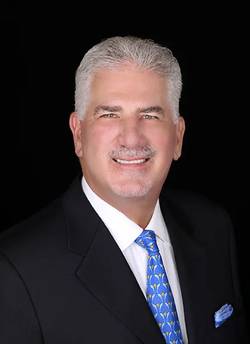
Rodney Barreto serves as Chair of the Florida Fish and Wildlife Conservation Commission.