
By DAVID RATHKE
In Florida, resilience is often discussed after a hurricane, flood, wildfire or prolonged drought. But true resilience begins long before an emergency. It is the ability of a community to anticipate risk, reduce avoidable damage, keep essential services operating and recover in a way that leaves people and infrastructure better prepared for the next challenge.
That definition matters because Florida’s risks do not fit neatly into one category. A coastal community may face storm surge, sea-level rise and saltwater intrusion. An inland community may face extreme rainfall, overwhelmed drainage systems, river flooding or wildfire. Utilities must prepare for power interruptions, changing water demands and aging facilities. Farmers and ranchers must manage drought, flooding and water-quality requirements. Businesses need roads, power, communications and water systems that can function when conditions are difficult.
Florida has made resilience a statewide priority through the Resilient Florida Program and annual Statewide Flooding and Sea Level Rise Resilience Plans. Those efforts are important, but resilience cannot be only a state program or a coastal initiative. It must also be a day-to-day practice of local governments, utilities, water management districts, businesses, agricultural producers, nonprofit organizations and residents, according to the Florida Department of Environmental Protection’s statewide flooding and sea-level rise resilience plan.
The practical work of resilience is familiar – maintaining drainage systems, protecting drinking-water sources, upgrading wastewater facilities, conserving floodplains, improving emergency communications, hardening public buildings, and ensuring that vulnerable residents can obtain assistance. It also means making land-use and capital-investment decisions with future conditions in mind, rather than rebuilding the same vulnerability after every disaster.
For smaller communities, the greatest obstacle is often not a lack of commitment. It is limited staff, planning capacity and access to specialized technical expertise. State and regional programs should therefore help communities assess risk, design projects, assemble funding and manage implementation. A grant opportunity has limited value if a small town lacks the personnel to pursue it.
Hurricane Isaias in early October is a reminder of the importance of local preparedness. Resilience is ultimately about continuity – keeping water flowing, roads open, businesses operating and families safe. Florida should measure success not only by how quickly we respond after an event, but by how much disruption and loss we prevent before it occurs.
Resilience is sometimes treated as an added expense that can wait until budgets improve. The evidence points in the opposite direction. Preparing before disaster is an economic-development strategy because it protects businesses, workers, public services, homes, and the infrastructure on which local economies depend.
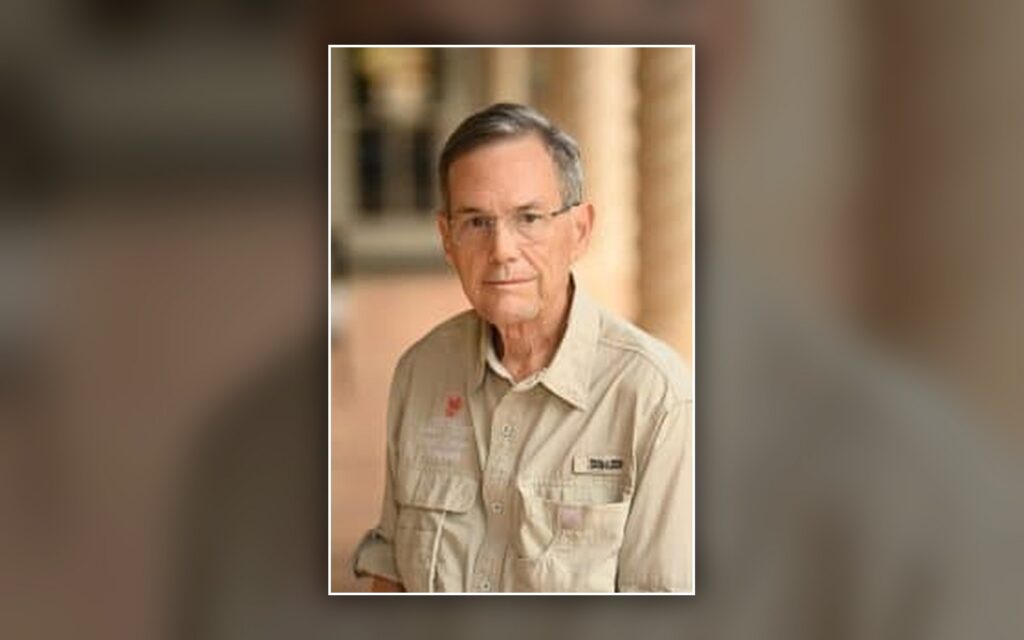
David Rathke is Executive Director of Resiliency Florida and has nearly 30 years of experience in water management. Learn more at www.resiliencyflorida.org