By HERSCHEL T. VINYARD and KEVIN BJORKMAN
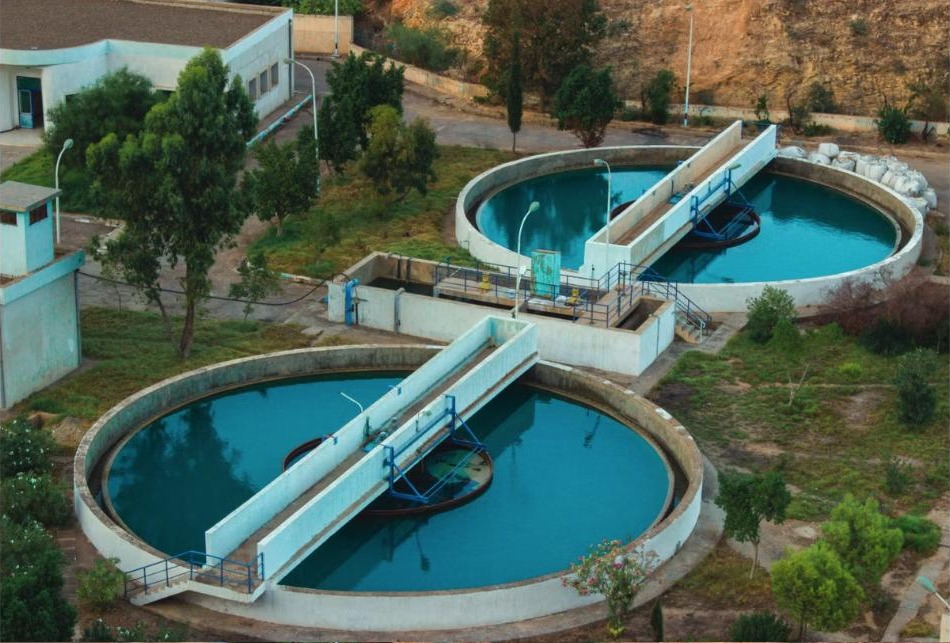
Every time you turn on the tap or flush the toilet in Florida, you are relying on infrastructure that is, on average, 40 to 60 years old. Many of these systems require substantial upgrades due to age and increasingly stringent standards. Failures within water infrastructure contribute to water contamination, harmful algal blooms and the degradation of ecosystems that are essential to sustaining Florida’s communities, environment and economy.
Public utilities, which are widespread in Florida, face enormous costs to upgrade these aging systems and convert outdated septic tanks to central sewer service. According to the 2025 American Society of Civil Engineers Florida Section Report Card, Florida will need to invest approximately $30.37 billion in water collection, treatment, storage and distribution systems over the next two decades just to keep pace with current demand.
In response to this infrastructure crisis, the Florida Legislature in recent years has dramatically increased appropriations for water quality improvement grants distributed by the Florida Department of Environmental Protection. The intent of this public investment is clear: cleaner water, healthier communities and modernized infrastructure.
Unfortunately, some local governments requesting grant funding from Tallahassee are simultaneously transferring utility revenues designed to improve this infrastructure to the municipality’s General Fund to pay for unrelated programs and services. These transfers are under the guise of various labels known as “sweeps,” “transfers” or “payments in lieu of taxes.”
The practice of transferring funds that should be used for infrastructure upgrades to improve our water quality is widespread. This practice, in essence, is like a hidden tax: revenue generated by a city or county utility is used to plug holes in the local government’s budget, at the direction of a mayor, city council or county commission. Despite this practice, many of these same local governments still go to Tallahassee each session seeking state appropriations and grant funding for water infrastructure projects that the revenue transfers have left unfunded.
According to Florida TaxWatch, local governments that divert utility revenues to their General Fund are more likely to need state funding, and in larger amounts, to offset the financial burden they have created for themselves. As Florida Tax Watch points out, this unfairly reduces the total pool of state funding available to other local government utilities that have managed their infrastructure funds responsibly.
This hidden tax is a shell game played on local ratepayers. Citizens pay their water and sewer bills believing those dollars will maintain and improve the systems that serve them. Instead, a portion of every flush, every shower and every load of laundry funds pothole repairs, community centers, a parade, administrative overhead or whatever other budget gap the local government seeks to fill, rather than allowing those resources to be used for water quality improvements. The consequence of this practice is undercapitalization of critical water infrastructure and poor water quality.
Local governments are, of course, free to manage their own affairs under Florida’s broad Home Rule authority. No statute currently prohibits this siphoning of funds. But freedom to act does not mean freedom from consequence.
The Florida Legislature should send a clear message: if a local government chooses to raid the coffers of its utility rather than reinvest those ratepayer dollars in infrastructure and improved water quality, that locality’s public utilities should be deemed ineligible for state grants and appropriations for water and wastewater projects. Taxpayers across Florida should not be asked to subsidize infrastructure improvements for municipalities that have chosen to divert their own utility revenues to unrelated purposes.
Floridians deserve cleaner water. They are paying for it every month on their utility bills. It is time the Legislature ensures that every dollar Floridians pay for water goes toward delivering the clean, safe water local governments promised through funding their local wastewater utility systems.
Herschel T. Vinyard is Partner in Charge of the Jacksonville office of the Adams and Reese Law Firm and former Secretary of the Florida Department of Environmental Protection. Kevin Bjorkman is a second-year law student at the University of Florida and a Summer Associate at Adams and Reese in Jacksonville