Governor Ron DeSantis and Florida Cabinet Approve Strategic Conservation and Agricultural Land Acquisitions
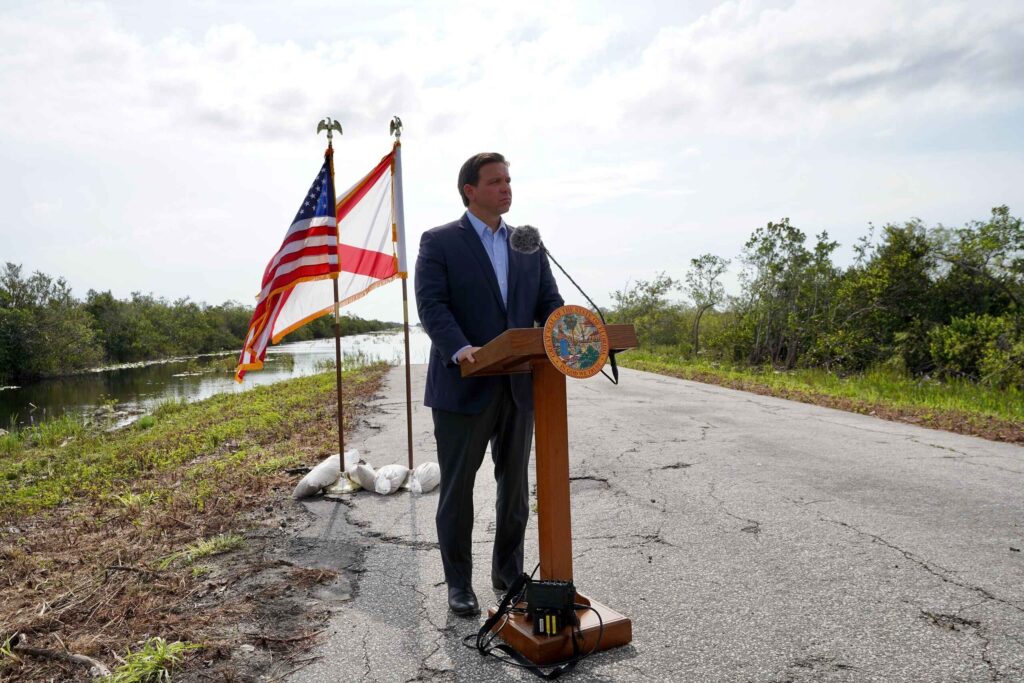
On Dec. 17, Gov. Ron DeSantis and the Florida Cabinet approved the protection of over 21,500 acres of conservation and agricultural lands, including Florida Forever and Rural and Family Lands Protection Program acquisitions, representing a total investment of $27.4 million. These strategic acquisitions will strengthen Florida’s conservation network, support military readiness through Sentinel Landscapes and preserve family-owned agricultural lands, ensuring the state’s natural and rural landscapes remain intact for future generations.
About the land acquisition approvals:
- Two conservation easements totaling 10,996 acres within the Caloosahatchee Big Cypress Corridor in Collier and Hendry counties will enhance connectivity between the Florida Panther National Wildlife Refuge, Big Cypress National Preserve and Dinner Island Wildlife Management Area. These properties provide critical habitat for imperiled species such as the Florida panther, while supporting agricultural operations. These properties lie within the Big Cypress Area of Critical State Concern and the Florida Wildlife Corridor.
- A 7,437-acre conservation easement within the Coastal Headwaters Longleaf Forest Florida Forever Project in Escambia County will provide a critical buffer for key military installations while protecting water quality and aquifer recharge in the Perdido and Escambia river watersheds. This property lies within the Northwest Florida Sentinel Landscape and Florida Wildlife Corridor.
- A 2,060-acre rural lands protection easement within the Tilton Family Farm Project in Putnam County. The property has been family-owned since 1973 and includes a cow/calf operation, timber stands and row crops. The farm produces honey and fresh produce, supporting local food deserts and sustaining community access to fresh, healthy food. This property lies within the Florida Wildlife Corridor.
- A 1,059-acre rural lands protection easement within the Siboney Ranch Project in Okeechobee County. The property has been family-owned since 2003 and operates as a cow/calf operation. It is bordered by Pine Creek Sporting Club to the west and Quail Creek Sporting Ranch to the east, preserving productive agricultural land and maintaining rural heritage. This property lies within the Avon Park Air Force Range Sentinel Landscape and Florida Wildlife Corridor.
Patronis Fights to Protect 404 Permitting
WASHINGTON, D.C. – On Dec. 11, Congressman Patronis spoke on the House Floor in support of H.R.3898, the Promoting Efficient Review for Modern Infrastructure Today (PERMIT) Act.
Congressman Patronis: “Mr. Chairman, I thank my friend, Aaron Bean, for introducing this amendment. Mr. Chairman, after working hard to obtain Federal approval in the first Trump administration, a weaponized court system pulled Florida’s 404 permitting out from under us, even though our program was thoroughly vetted and approved in 2020. Florida’s DEP has become a national model for environmental protection, and Washington should be learning from us, not tying our hands. The amendment makes it clear that once a State assumption program is approved, the EPA cannot withdraw it unless Congress explicitly says so—no more regulatory whiplash, no more political games. For Florida, this is critical. It protects our section 404 program, and it ends the uncertainty caused by conflicting court rulings and shifting in interpretations in Washington. Meanwhile, the Army Corps of Engineers got a gut punch with an overwhelming caseload while working hard to try to solve dozens of projects that an activist judge has placed on hold in our communities that they desperately need, like stormwater, schools, and even sewer treatment plants not under construction, protecting our most precious environments. But we can’t unless the permits can be issued. This is about predictability, federalism, and letting the States manage their own waterways. It is proinfrastructure, prodevelopment, but, most importantly, it is proenvironmental protection.”
Díaz-Balart, Wasserman Schultz Celebrate 25 Years of Restoring America’s Everglades through CERP
WASHINGTON D.C. – On Dec. 11, U.S. Rep. Mario Díaz-Balart (R-FL-26) joined fellow Congressional Everglades Caucus Co-Chair, Rep. Debbie Wasserman Schultz (D-FL-25), in releasing the following statement celebrating the 25th anniversary of the Comprehensive Everglades Restoration Plan (CERP):
“Twenty-five years ago, the State of Florida and the U.S. Congress, through the leadership and collaboration of Congressman Díaz-Balart and the late Congressman Alcee Hastings, co-founded and launched the most significant environmental restoration project in U.S. history: an ambitious, long-term bipartisan effort to repair and revive America’s Everglades, a national treasure and true ecological wonder. Today, that commitment remains strong under the continued leadership of Reps. Díaz-Balart and Wasserman Schultz as co-chairs of the Everglades Caucus.
Since then, the bipartisan Caucus has worked tirelessly to deliver the authorizations and critical funding needed to restore and preserve this unique ecosystem on which more than nine million Floridians rely. Whether ensuring clean, safe drinking water; protecting our endangered species and habitats; or honoring our commitments to Florida’s Tribal Nations, the preservation of America’s Everglades remains essential for our communities today and for generations to come.”
FWC sinks 227-foot freight vessel to build new marine habitat
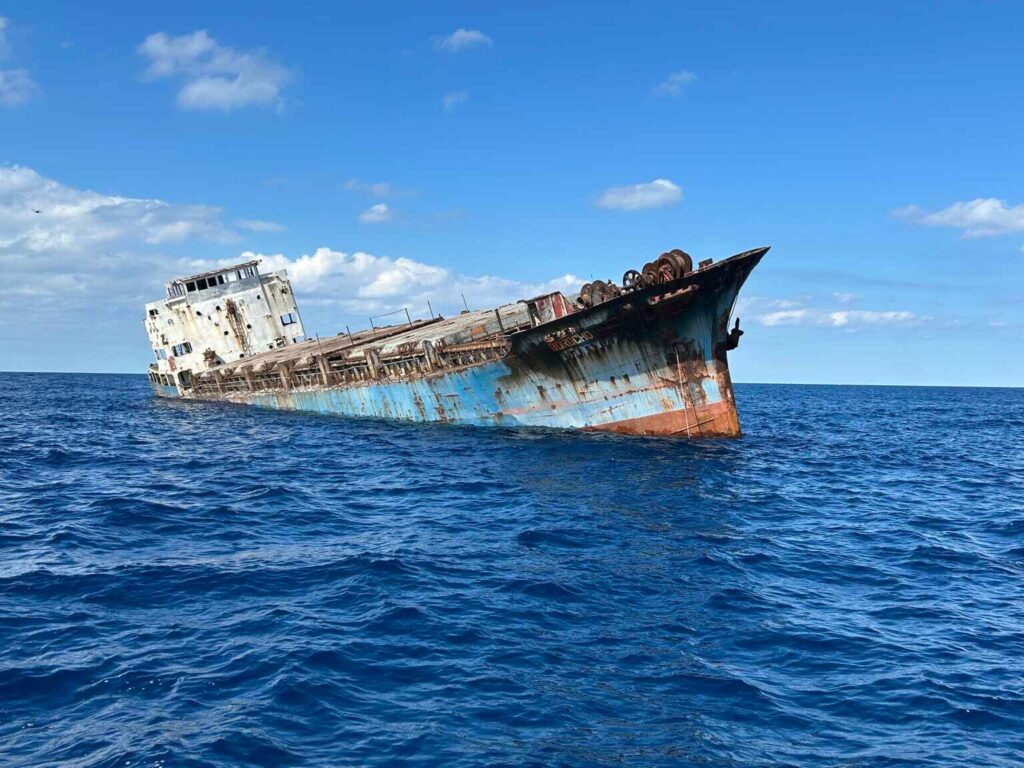
On Nov. 18, with funding from the Florida Fish and Wildlife Conservation Commission’s (FWC) Derelict Vessel program, in partnership with Martin County Environmental Resources, the FWC successfully sank the Borocho, a 227-foot derelict freight vessel, to create a new artificial reef. The ship now rests nearly 200 feet below the surface, in Martin County, nine miles offshore of the St. Lucie Inlet.
The vessel had remained in the Miami River for a decade after its previous owner allowed it to fall into disrepair. Following a derelict vessel investigation, the FWC hired a removal contractor, Resolve Marine Group, Inc., to remediate, relocate and reef the freighter. Resolve Marine began the sinking process by cutting holes along the vessel’s sides to allow it to flood. Within approximately one hour, the Borocho was fully submerged.
Artificial reefing was selected as the lowest cost disposal option (cheaper than land-based disposal), realizing significant cost savings for the derelict vessel program through the beneficial use of creating long-term habitat as an artificial reef. A collaborative effort between FWC Law Enforcement, Martin County and the FWC Artificial Reef Program resulted in the creation of the Boo McCulley Reef. For over two decades, John “Boo” McCulley, through his company McCulley Marine, was an integral part of the development of artificial reefs in Florida’s waters. This new reef will provide vital marine habitat, enhance local fish populations and create new opportunities for fishing and diving.
The Boo McCulley Reef now marks the southernmost extension to an over 1.14 nautical-mile-long fishing corridor established in 2002 within the Sirotkin permitted area. This area is popular with local recreational anglers targeting reef fish species such as mackerel, amberjack and snapper.