
By STAFF REPORTS

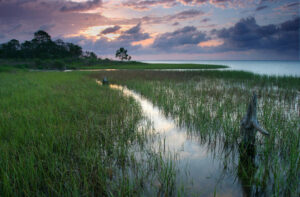
In a state where concrete is poured as fast as the sun rises, finding wild and untouched places can feel like chasing the past. But in the Suwannee River Water Management District (SRWMD), protecting what’s natural isn’t just a memory — it’s a mission.
Stretching across 15 counties in North Florida, the SRWMD is home to more than 450 documented springs — the highest concentration in the United States. It’s a place defined by blackwater rivers, pine flatwoods, and the quiet resilience of landscapes that have remained largely unchanged for centuries.
Preserving that natural legacy is one of the District’s most vital responsibilities. Through its Land Acquisition and Conservation Program with SRWMD, SRWMD works to protect sensitive ecosystems, restore degraded lands, and make sure future generations can experience the Florida that many people think no longer exists.
“We’re looking at what the properties would have been 200 years ago,” said Steven Carpenter, a Senior Natural Resource Specialist at SRWMD. “And we’re trying to bring those properties, using our tools, as close as we can to what they looked like at that time.”
Why Land Conservation Matters
Land conservation plays a central role in advancing SRWMD’s four core missions:
- Water Supply Sustainability
- Water Quality Improvement
- Flood Protection
- Natural Systems Restoration
Every property the District acquires or places under a conservation easement must help fulfill one or more of these goals. That could mean preserving the headwaters of a spring to protect drinking water, restoring native vegetation to reduce nutrient runoff, or maintaining floodplain forests that buffer communities from rising waters during storm events.
“Land conservation isn’t the only tool we use to accomplish our mission, and it shouldn’t be,” said Katelyn Potter, Outreach and Operations Division Director for SRWMD “But it’s one of the most important. These spaces give people room to work, to play, and to connect with what we call ‘Natural Florida.’”
Tools in the Toolbox: From Fire to Easements
Once land is protected, the real work begins. Restoring and maintaining it requires active management, not just good intentions. SRWMD uses a variety of tools to bring landscapes back into ecological balance — and keep them there.
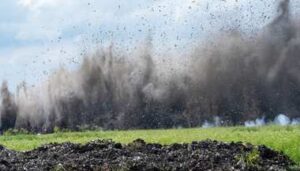
One of the most powerful is prescribed fire, a land stewardship practice that mimics natural wildfire cycles. Carefully planned and conducted under strict safety protocols, these controlled burns help regenerate native plants, reduce invasive species, and prevent dangerous fuel buildup that can lead to wildfires.
In other cases, the District uses vegetation management techniques to remove aggressive non-natives and support native species, from wiregrass to longleaf pine.
Increasingly, the District is also turning to conservation easements to expand the reach of its land protection efforts. These voluntary legal agreements allow landowners to retain ownership of their property while permanently limiting development and protecting natural functions.
“In North Florida, there’s a lot of pressure on landowners to sell their property as more people move into the state,” Potter emphasizes. “But many landowners are interested in conservation easements as part of long-term estate planning. It’s a way to preserve what they love about their land — and pass it on.”
Thanks to strong legislative support and record investments from the Governor, Cabinet, and Florida Legislature, Florida has significantly grown its conservation easement program in recent years.
The Power of Place: Conservation Along the Rivers
Many of the properties SRWMD protects are located along rivers — places where water, wildlife, and human history have long intersected. The District’s focus on riparian corridors helps conserve water quality, preserve scenic beauty, and create opportunities for public recreation.
From canoe launches on the Suwannee to quiet footpaths along the Santa Fe, these lands are more than green space — they’re places where people forge lasting memories.
“There’s always been that connection between water and people,” explains Carpenter. “But with urbanization, that connection gets lost. Our job is to make sure it’s still there — still real, still accessible, still sacred.”
By protecting these riverfront properties, SRWMD provides public access points that allow visitors to experience Florida’s wild beauty up close. It also ensures that these lands remain open for activities like fishing, birdwatching, and hiking — all of which contribute to local economies and quality of life.
“Getting people out and connected with nature improves their quality of life,” Carpenter said. “And I think those opportunities are well represented on our properties, especially being along the rivers.”
A Region Under Pressure
Florida welcomes more than 1,000 new residents a day. And while North Florida has, so far, avoided the heavy urbanization of its southern counterpart, change is coming — fast.
Development pressures threaten to fragment habitats, overdraw water supplies, and increase pollution runoff. Without intentional conservation, the region’s character — its open landscapes, free-flowing rivers, and abundant springs — could be lost.
“Florida is a great place to be,” said Potter. “But if we want to keep it that way, we’ve got to protect what makes it special.”
The SRWMD’s land acquisition efforts serve as a bulwark against that trend, ensuring that critical lands are protected before they’re paved over.
How the District Selects Lands for Conservation
SRWMD uses a science-based process to identify lands with high conservation value. This includes evaluating factors such as:
● Proximity to springs, rivers, and aquifer recharge zones
● Ecological significance and habitat connectivity
● Flood mitigation potential
● Compatibility with public access and recreation
Acquisitions may be fee-simple purchases or conservation easements, depending on the needs of the landowner and the conservation goals of the District.
Each project is evaluated for its ability to fulfill one or more of the District’s core missions. This ensures that every conservation dollar delivers maximum benefit for both the environment and the public.
What It Means for You
For residents and visitors alike, SRWMD’s conservation lands provide more than scenery. They offer:
● Cleaner water by filtering runoff and protecting groundwater
● Flood protection during heavy rain events
● Wildlife habitat for species ranging from gopher tortoises to otters
● Recreation opportunities that support physical and mental well-being
These lands are also vital for education. School groups, scouts, and nature clubs regularly use District-managed sites for field trips and service projects, helping to foster the next generation of environmental stewards.
“There’s a historic connection between people and water that’s being lost in many places,” Carpenter said. “We want to make sure that connection stays alive.”
A Lasting Legacy
The SRWMD Land Conservation Program is more than a strategy — it’s a commitment to future generations. By preserving critical landscapes today, the District is shaping a more resilient, more beautiful, and more balanced tomorrow.
Whether it’s a family-owned ranch placed under easement or a wild tract restored with fire and care, each project contributes to a healthier North Florida. Visit www.mysuwanneeriver.com for maps, access info, and upcoming conservation opportunities.
in the end, land conservation isn’t just about saving trees or wetlands — it’s about saving the parts of Florida that make us feel at home.