
By BLANCHE HARDY
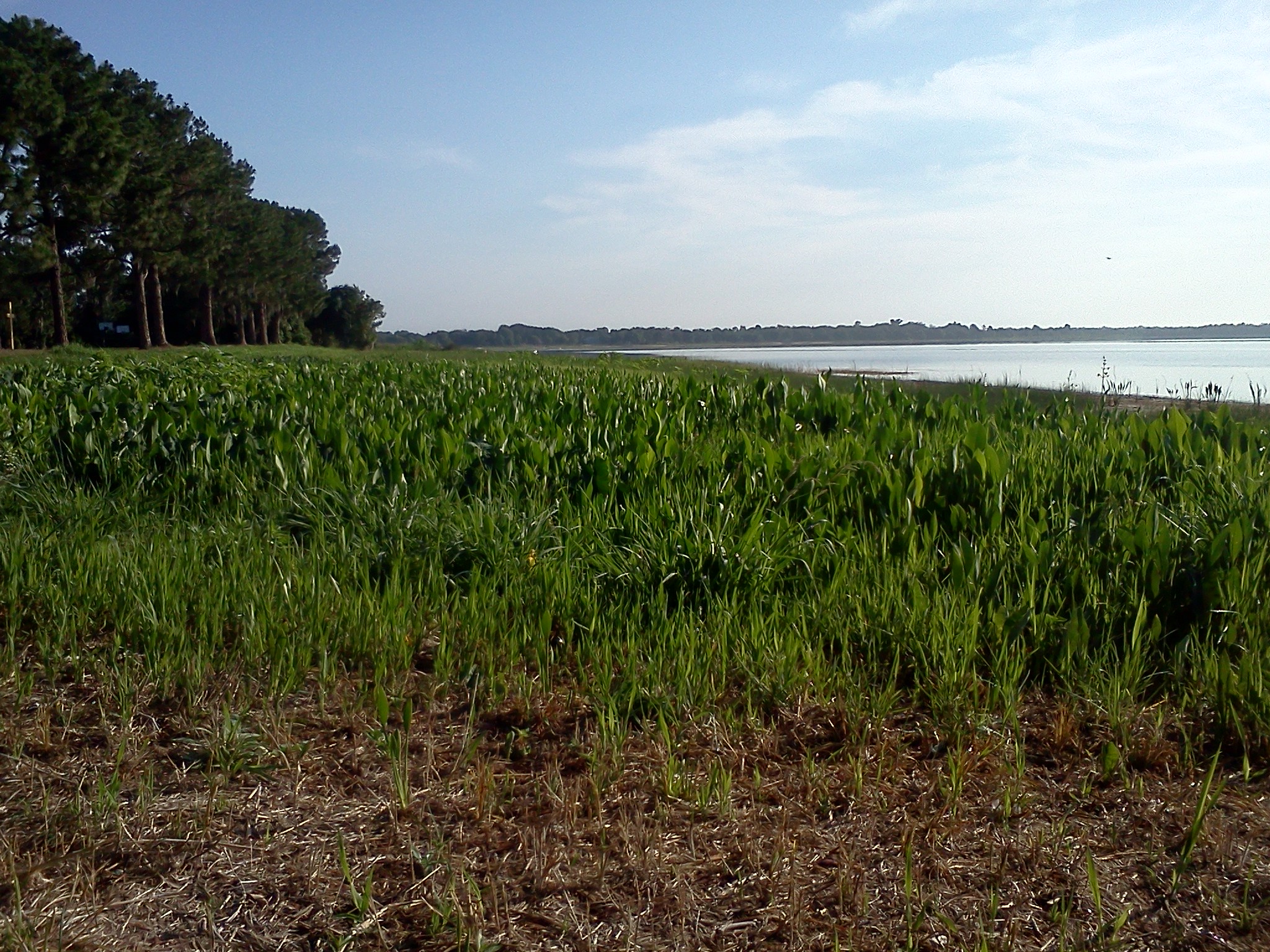
The Lake County Water Authority (LCWA) initiated a four-year program in February to address nutrients in Lake Yale through the periodic application of alum (aluminum sulfate). The 4,041-acre lake is considered impaired and is a Class III Sovereign Submerged Lands waterbody owned by the State of Florida. The project now underway is the first and largest of its kind in the state.
Prior to the initial alum treatment completed in February, phosphorus levels in Lake Yale commonly reached 500 parts per billion (ppb), with detections occasionally as high as 2,500 ppb. The LCWA found roughly 81 percent of the annually detected phosphorus was released into the water from accumulated lake sediments.
“Lake Yale was named among the most impaired waterbody in Lake County, and the treatment protocol has been in the making for over a decade,” said Kristan “Birdie” Zenishek, Chairman of the LCWA Board of Trustees.
Alum binds with phosphorus in the water and sediments, helping prevent it from fueling future algae growth. The treatment application is planned to take place over four years with continuous monitoring to ensure application rates maintain water quality parameters.
The initial liquid alum treatment was applied by a barge transversing the lake to reach all the approved designated first treatment areas.
“Post-treatment sampling is showing significant reductions in phosphorus, confirming that this treatment is producing measurable improvements in the water quality,” Zenishek said.
The county collected pretreatment samples in January, and post application samples were collected in April and July. Samples were collected and analyzed from three locations for each event, A, B, and C. Total Phosphorus has reduced from 37 ppb to less than 10 ppb in all samples.
Quarterly sampling will continue through the duration of the project. Seasonal variations will be tracked to determine the impact of rainfall and air and water temperatures as well as other environmental factors on the effectiveness of the alum applications.
“This is a monumental milestone for the LCWA and its ongoing efforts to preserve and protect the water resources of Lake County for generations to come,” Zenishek said. “As Florida’s first large-scale project of its kind, we hope the Lake Yale alum treatment sets a precedent and serves as a model for similar lake restoration efforts across the state.”
Lake Yale, by the Numbers
A 4,041-acre lake, a four-year alum program begun in February, and the first large-scale treatment of its kind on state-owned submerged lands in Florida.
- 27 – Reduction in total phosphorus (from 37 to 10 ppb) in pretreatment samples taken in January, April and July 2026.
- 81 – Percentage of the annually detected phosphorus released into the water from accumulated lake sediments.
What each round of sampling measures: pH, dissolved oxygen, alkalinity, ammonia, NOx, total nitrogen, dissolved total nitrogen, ortho-phosphorus, total phosphorus, dissolved total phosphorus, turbidity, total suspended solids, salinity and chlorophyll a.
Source: Lake County Water Authority. Samples were collected and analyzed from three locations for each event. Quarterly sampling continues for the life of the project.