By RALPH A DEMEO AND TINA REALE
The 2026 Florida Legislature continues to grapple with significant bills affecting the environment, development, land use and wildlife. Attention has been focused, among other issues, on the role of local governments in growth management and environmental protection, wastewater treatment plants and sewers, protected species, agriculture, the Everglades, springs, hyperscale data centers and per- and polyfluoroalkyl substances (PFAS) regulation. All of these bills have the potential for significant impacts to Florida wildlife and their habitat.
While some bills directly address wildlife, many carry indirect potential consequences for wildlife that may not be immediately apparent. Legislation regulating land use, waste management, water resources or even everyday products like drinking straws can have ripple effects that extend far beyond their obvious scope. A closer examination of the legislation moving through committees reveals how seemingly narrow policy changes may have broader consequences for wildlife.
The following key bills highlight how the 2026 Legislative session could impact wildlife protection in both direct and unexpected ways.
SB 184: Seaport Security
SB 184 requires seaports to maintain an on-site fire station that is staffed and operational 24/7. Mandatory seaport fire stations would allow for more efficient response to fires or hazardous materials incidents, ultimately reducing the potential negative impacts to the surrounding marine wildlife.
SB 150: Designation of the State Birds
SB 150 designates the American flamingo as the official state bird (to replace the northern mockingbird) and the Florida scrub-jay as the official Florida state songbird. American flamingos are historical residents of Florida, but their population has dwindled due to overhunting. American flamingos can still be found along the Florida coast, especially in Miami-Dade County. The Florida scrub-jay is the only bird species that exclusively resides in the state of Florida. The scrub-jay is a federally designated threatened species protected by the federal Endangered Species Act; the main threat to the species is loss of habitat due to development, agriculture and suppression.
SB 264: Official State Bird
SB 264 requires the Fish and Wildlife Conservation Commission to develop and conduct a survey of Florida’s youth to determine whether the state should select another bird species as the official state bird. The survey would need to include the northern mockingbird, American osprey, Florida scrub jay, American flamingo and American white ibis as selections. The survey results would be due December 31, 2027.
CS/SB 290: Department of Agriculture and Consumer Services
CS/SB 290 makes numerous changes to laws related to the Department of Agriculture and Consumer Services, one of which required the Department of Environmental Protection (DEP) to determine whether any state-owned conservation lands are suitable for bona fide agricultural purposes; if so, the DEP must retain a rural-lands-protection easement for all such lands. Any lands designated for agricultural purposes by the DEP under this bill would lead to destruction of wildlife habitats.
SB 388: Specialty License Plates/Florida Wildflower
SB 388 increases the annual use fee for the existing Florida Wildflower specialty license plate from $15 to $25 (the annual fee amount that is applicable to all new specialty license plates). The proceeds from the annual use fees are to be used for wildflower educational programs, to establish native Florida wildflower research programs, and wildflower grant programs to municipal, county and community-based groups in Florida.
SB 602: Watercraft Restrictions Based on Energy Source
SB 602 provides an exception to an existing bill that prohibits a state agency, municipality, governmental entity or country from restricting the use or sale of a watercraft based on the energy source needed to power it. Protecting Florida’s waters from contamination will also protect the wildlife that call these aquatic habitats home.
SB 718: Water Management
SB 718 prohibits counties and municipalities from adopting laws, regulations, rules or policies relating to water quality or quantity, pollution control, pollutant discharge prevention or removal or wetlands; regulation of these areas is preempted to the state. This bill gives the state broad authority to regulate water. Florida’s abundant aquatic wildlife could be heavily affected by water regulations, especially those that regulate pollution and wetlands.
SB 766: Waste Management
SB 766 expressly preempts the regulation of auxiliary containers to the state. “Auxiliary container” is defined as “a reusable or single-use bag, cup, bottle, can, or other packaging” that meets specific requirements; this thorough definition of “auxiliary container” can be used to regulate various products that pose a threat to the environment.
CS/SB 302: Nature-based Solutions for Improving Coastal Resilience
CS/SB 302 requires the Department of Environmental Protection to adopt rules and guidelines for using nature-based solutions to improve coastal resilience. There are a number of initiatives the rules must address, one of which is to “encourage mangrove replanting programs and the restoration of oyster reefs, salt marshes, and coral reefs.” Coral reefs are living organisms that have been devastated by pollution (including chemicals in sunscreen), rising ocean temperatures, coastal development and more. CS/SB 302 would improve essential habitats which are home to a variety of Florida wildlife, including coral reefs.
CS/SB 546: Conservation Lands
CS/SB 546 requires that certain information be published on the Division of State Lands website before review of the proposed sale of conservation lands. Included in the requirements is to post “a statement from the division explaining why the land is no longer needed for conservation purposes.” This information can help prevent conservation lands from being sold that are vital to the success of the wildlife that inhabit them.
SJR 1364: Joint Resolution/Fish and Wildlife Conservation Commission
SJR 1364 proposes the following amendment to the Florida Constitution: “The wild animal life, fresh water aquatic life and marine life of this state belong to all of the people of this state and must be conserved and sustainably managed for the benefit of all the people of this state and its future generations.” This amendment would solidify Florida’s commitment to conserving and sustainably managing wildlife. Such language in the Constitution would mark historical progress by establishing wildlife preservation as a state value.
SB 1468: Advanced Wastewater Treatment
SB 1468 states a legislative finding that “the discharge of inadequately treated wastewater and aging sewage disposal facilities compromise the quality of the environment, including freshwater, brackish water and nearshore and offshore salt waters, and threatens the quality of life and local economies in this state that depend on those resources.” The bill requires advanced wastewater treatment which will reduce environmental harms in Florida’s diverse aquatic ecosystems that are crucial to biodiversity.
SB 636: Beach Management
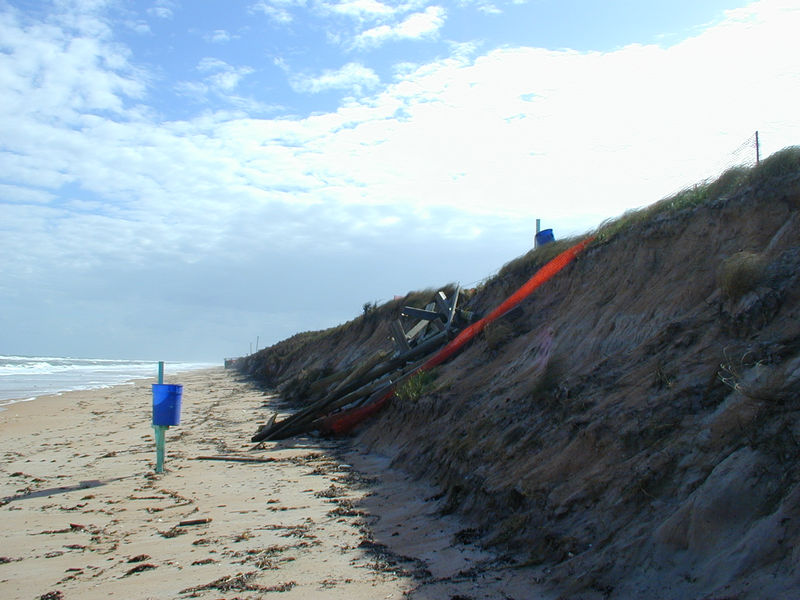
SB 636 recognizes that beach erosion is a statewide problem and establishes additional requirements for designating certain beaches as critically eroded and in need of restoration and nourishment, as well as guidelines for which areas may receive designation as an area of critical state concern. Beach erosion is not only a concern for those who seek a relaxing vacation; it devastates wildlife by destroying critical habitats (such as nesting sites for sea turtles) and altering ecosystems.
SB 958: Local Regulation of Drinking Straws and Stirrers
SB 958 raises health concerns over paper alternatives to plastic drinking straws and stirrers and requires that “any regulation of drinking straws and stirrers must be based on government policy driven by science.” The bill seeks to combat the harmful impacts of paper drinking straws and stirrers and provide better alternatives to single-use plastic straws and stirrers. This bill sets high standards for local governments to meet should they choose to enact any rule, regulation, or ordinance regarding drinking straws and stirrers. The standards include a requirement that the drinking straws or stirrers be marine biodegradable – a requirement essential to protecting marine wildlife from the harms of plastic straws and any harmful alternatives.
SB 1066: Tributaries of the St. Johns River
SB 1066 requires the Department of Environmental Protection to develop a project plan for the restoration of the Ocklawaha River that includes an outdoor recreation plan. The Ocklawaha River has been named among America’s Most Endangered Rivers by a nonprofit called American Rivers. The Ocklawaha River’s natural connection to the St. Johns River was impeded by the Rodman Dam in 1968, which has since significantly harmed wildlife habitats, recreation and water quality.
SB 1422: Surface Waters
SB 1422 states a legislative finding that “coral reefs, if healthy and effectively managed, can help mitigate the risks and related loss and damage from floods, climate change and natural disasters.” The bill goes a step further and designates coral reefs as critical natural infrastructure that can be used as a nature-based solution to mitigate damage to coastal properties from climate change risks and disaster events; this recognition by the Legislature “demonstrates political support for nature-based solutions” that will result in increased resources for the restoration and creation of coral reefs through “coral reef restoration for risk reduction, known as CR4.” SB 1422 also holds entities with permits for dredging and filling accountable by requiring them to “bear the full cost of and responsibility for any damage or destruction caused by dredging, filling or related activities.” A higher level of accountability for these entities will ensure greater protection for ecosystems like coral reefs.
SB 1658: Cattle Grazing on State Land
SB 1658 requires that when a conservation or non-conservation land management plan is developed or updated, “the land managing entity must consider the feasibility of leasing portions of the land to private entities for cattle grazing.” This bill highlights leasing land for cattle grazing as a priority use for state lands. It does allow the land-managing entity to determine whether any portions of the land are suitable for such leases, but if they are deemed suitable, it says the managing entity “must allow such lands to be leased for such purpose.” If a managing entity deems no portions of the land suitable for cattle grazing, it requires an explanation for its determination. Cattle grazing can harm wildlife by degrading habitats, polluting water, leading to predator culling and creating competition for food with other herbivores like deer. This bill could be helpful if it is used to prevent overgrazing on concentrated plots of land and instead is used to rotate the cattle accordingly, but it is important to note that this bill does not address concerns of overgrazing.
Lawmakers are debating many bills relating to the environment, which have potentially significant impacts on wildlife and their habitat. The 2026 Legislative Session is scheduled to end on March 13. Check www.floridaspecifier.com for updates as session continues and bills pass or die.
Ralph A. DeMeo is Special Counsel at Adams & Reese and Tina Reale is a 3L Law Student at Florida State University