
Gov. DeSantis Holds Groundbreaking for New EAA Reservoir Pump Station in Palm Beach County | WPTV
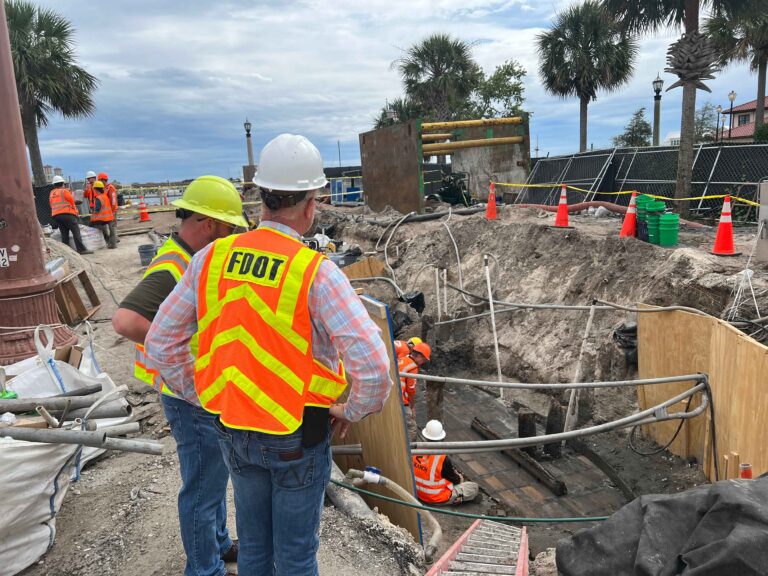
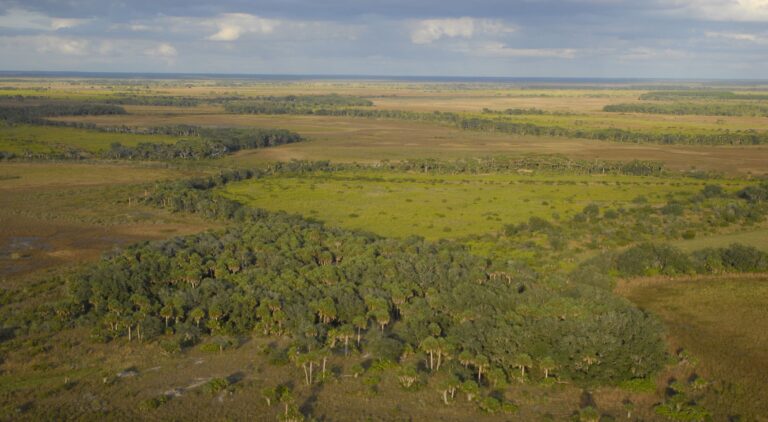
Governor Ron DeSantis announced the start of construction on a new inflow pump station at the Everglades Agricultural Area (EAA) Reservoir site in Palm Beach County. The nine-pump station will help move water from Lake Okeechobee into the reservoir, which is designed to reduce harmful discharges and increase Everglades flow.
Apalachicola Bay Wild Oyster Harvesting to Reopen in January | WFSU
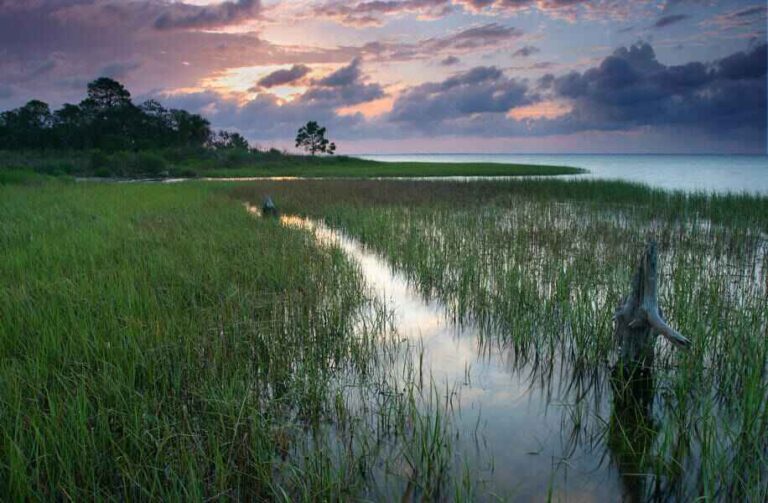
The Florida Fish and Wildlife Conservation Commission voted unanimously to reopen wild oyster harvesting in Apalachicola Bay starting January 1, 2026. The decision allows a small section of the bay to be used for a limited two-month recreational and commercial harvest following a five-year closure for reef recovery.
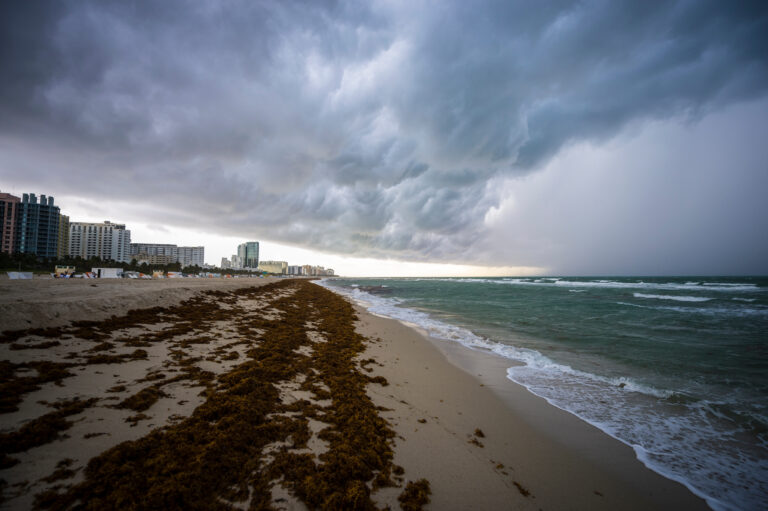
Why Florida’s Corals Bleaching Crisis Matters for Us on the Mainland, Too. | WLRN
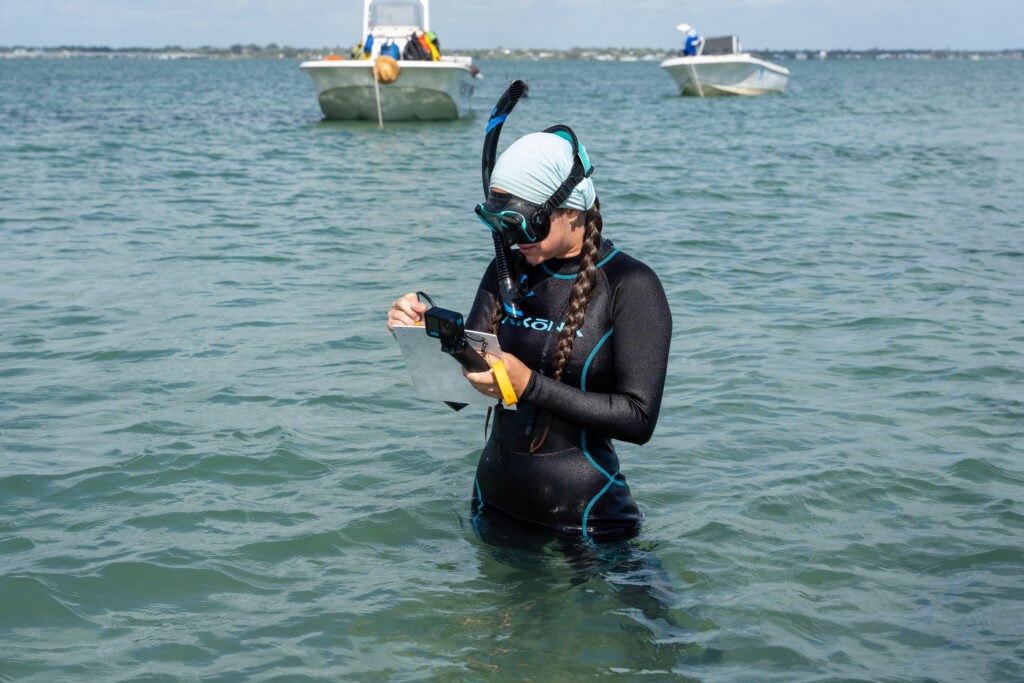
Florida’s coral reef plays a vital role in protecting coastlines, supporting tourism, and maintaining water quality. Experts warn that widespread bleaching could have ripple effects across South Florida’s economy and environment.
City officials in Ormond Beach are seeking state funding for water quality projects, including septic-to-sewer conversions, improved filtration, and upgrades to the Halifax River outfall. Commissioners also discussed long-term drainage improvements to address flooding on Hand Avenue.
Fort Lauderdale passed a new ordinance targeting two major sources of water pollution: derelict vessels and improper sewage disposal. The new rules include stricter enforcement on abandoned boats and a mandatory pump-out program for vessels with onboard wastewater systems.

The article highlights how drawn-out permitting decisions and regulatory bottlenecks can stall projects for years. A company seeking permission to shred creosote-treated railroad ties in Dunnellon has faced delays amid public safety concerns and agency inaction.
FAU Secures Grant for Florida Everglades Project | ECO Magazine
Florida Atlantic University received a five-year, $1.4 million grant from the U.S. Army Corps of Engineers to study dry season prey concentrations in the Everglades. The research will evaluate how prey availability impacts wading bird nesting success.
Time to Water Less in Brevard and Elsewhere Along the St. Johns River Region | Florida Today
Lawn and landscape irrigation across Brevard County is now restricted to one day per week, triggered by the end of daylight saving time. The seasonal shift signals cooler weather and marks the start of water conservation rules issued by the St. Johns River Water Management District.
Current wastewater treatment methods are described as outdated and cost‑inefficient, particularly in rural and underserved areas. The commentary highlights Eco‑World Water as a decentralized system that could reduce costs, improve service, and relieve infrastructure burdens.
💲 – Articles with this symbol may be blocked by a paywall