By PATRICK GILLESPIE
Florida’s annual legislative session ended March 13 with more than 200 bills passed, but no budget, leaving legislators more work to do late into the state’s fiscal year.
And political arguments persisted into April and beyond, with Gov. Ron DeSantis calling a special session on redistricting, artificial intelligence and vaccine policy. In the meantime, the Governor signed nearly 60 bills into law as of late April. Several of the bills that will become law this year deal with environmental and energy. Below is a sampling.
What will be in the law?
HB 1217
The bill prevents state and local governments from adopting or enforcing net-zero greenhouse gas emissions policies, including carbon taxes.
This legislation prohibits government entities from implementing net-zero mandates or emissions targets, prevents new taxes, fees, or penalties tied to carbon emissions, bans participation in carbon trading programs such as cap-and-trade agreements, blocks the use of taxpayer funds to support organizations promoting net-zero policies and requires annual reporting to ensure compliance and transparency.
“Net-zero mandates and carbon taxes increase costs on families, businesses and consumers,” said Rep. Berny Jacques at a news conference announcing the bill signing in April. “This bill protects Floridians from higher energy prices, increased transportation costs and other hidden junk fees caused by emissions mandates and burdensome regulations. Thanks to Governor DeSantis’ action today, decision making will be kept in our hands and not in the hands of global elites or green new deal activists.”
SB 302
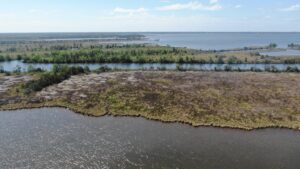
The bill prohibits dredging or filling of submerged lands in and around Terra Ceia Aquatic Preserve, allowing for passive recreational fishing and boating rather than commercial transportation in these waters.
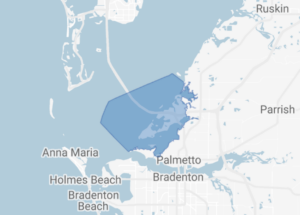
The legislation requires that any future changes to the preserve must go through a transparent, state-level approval process. It also strengthens Florida’s coastal resiliency by expanding the use of nature-based solutions to rehabilitate wetlands, restore oyster reefs and increase the mangroves along the Florida peninsula. In addition, the bill streamlines permitting, accelerates restoration timelines and enables the use of new technologies to enhance coastal protection efforts. Together, the measures are designed to safeguard vulnerable habitats, reduce erosion and storm surge risks and preserve Florida’s natural coastline.
HB 1417
This bill repeals the outdated Environmental Regulation Commission, making it faster to update rules to protect the environment. It also ratifies rules to ensure sufficient water supply along the Lower Santa Fe and Ichetucknee rivers, vital water resources for North Florida. Finally, the bill makes certain that stormwater management around solar fields is rigorous to protect both the environment and adjacent property owners.
HB 441
This bill requires the Division of State Lands at the Florida Department of Environmental Protection, water management districts and other authorities to publish specified information online before reviewing proposed sales or exchanges of conservation lands while updating appraisal standards, review processes and cross-references.
State Lands will be required to post information on its website at least 30 days before the Acquisition and Restoration Council or Board of Trustees reviews proposed sales of conservation lands. Appraisals will be based on criteria established by the Board of Trustees, which is the Governor and Cabinet. In addition, water management districts are required to publish details on their websites before reviewing sales or exchanges or conservation lands.
Bill language also removes outdated requirements for submitting land exchange requests and clarifies the role of the Acquisition and Restoration Council in providing recommendations.
SB 288
This bill regulates rural electric cooperatives that sell electricity at retail from adding fees or surcharges around certain fuel sources or appliances. It modifies Florida Statutes 425.041 to bar these providers from imposing fees, including lot or developer fees or surcharges that limit or prohibit the use of specific energy sources.
The bill also removes language that allows cooperatives to take actions that might indirectly inhibit fuel or appliance choices.
SB 290
This is the omnibus agriculture bill that adds several provisions related to farm operations and other industries under the regulation of the Florida Department of Agriculture and Consumer Services.
Among the provisions, the bill preempts local regulations of gasoline-powered farm and landscape equipment and bars administrative approval of new development on ecologically significant parcels in low-density municipalities without specified density attestations or a waiver.
The bill also prohibits future development rights for surplused lands suitable for agriculture and allows certain conservation lands with an easement. In addition, the bill adds regulations to local fair associations, creates new citrus research entities and agriculture programs within the Department and adds regulation to licensed subcontractors and contractors.
What’s pending?
With nearly 60 bills signed into law by Gov. DeSantis, more than 170 remain not yet presented to him. The Legislature typically sends bills in groups for consideration, which will happen between now and the end of the fiscal year. And in between regular session bills will potentially come special session bills.
Some environmental bills of note:
HB 273: Special District Funding
SB 484: Data Centers
HB 589: Onsite Sewage Treatment and Disposal System Permits
SB 848: Stormwater Treatment
HB 1019: Perfluoroalkyl and Polyfluoralkyl Substances
HB 1285: Biosolids Management
SB 1434: Infill Redevelopment