North Florida Land Trust Welcomes Four New Members to its Board of Directors
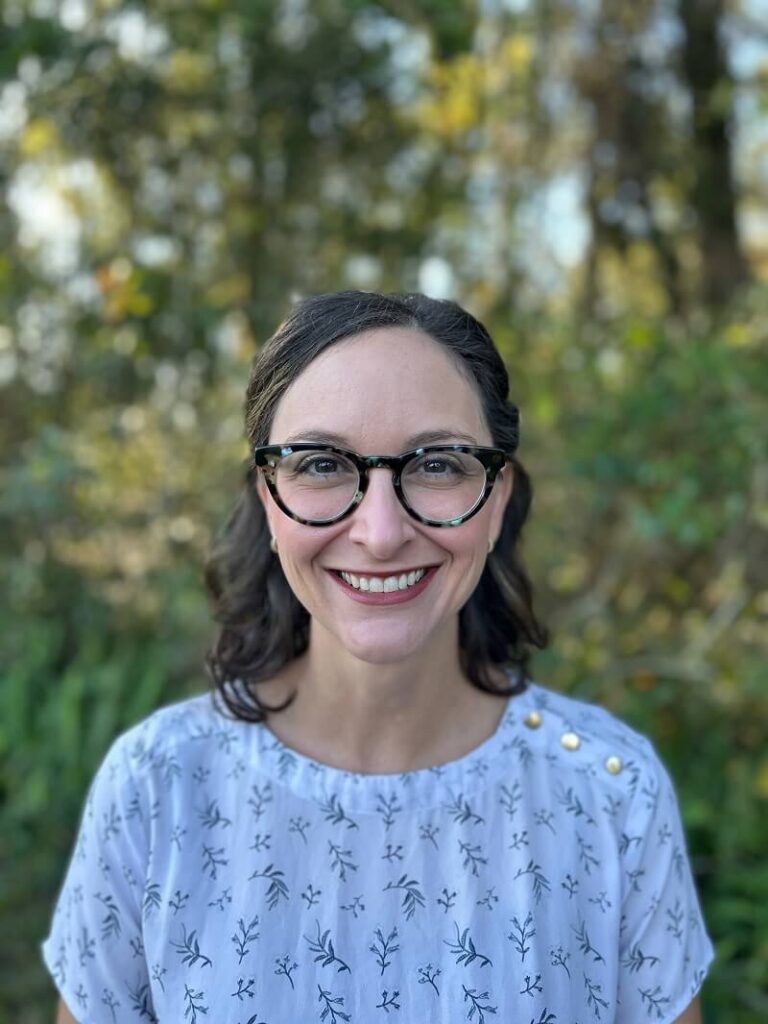
North Florida Land Trust (NFLT) has recently added four new members to its board of directors. Brandice Acree, Tom Grimes, Lawrence Kurzius and Jim Overton will each serve on the board of directors for a term of three years.
“It is always a pleasure welcoming new members to our board of directors to help guide our decisions for preserving land in North Florida and beyond,” said Allison DeFoor, president and CEO of NFLT. “New voices and new perspectives really strengthen our mission and help ensure that what we are doing is best for the natural spaces we work hard to protect. Our natural landscapes are precious resources. It is now or never.”
Acree is familiar with the nonprofit sector and has been involved in many community organizations, including serving as board chair of the Pace Center for Girls, board member and volunteer for Hope Floats a non-profit supporting The Donna Foundation and as a community liaison and Adopt-A-Family coordinator for organizations across the US, including local organizations: Daniel’s Kids, The Annie Ruth Foundation, Clara White Mission and The Hubbard House. Acree holds a Master of Science in Management and a Master of Business Administration (MBA) from the University of North Florida, as well as a Bachelor of Arts in Education from Stetson University. She currently serves as the community relations program manager for The Standard.
Grimes is a seasoned public company executive who spent more than 28 years in the multifamily business before retiring as MAA’s chief operating officer in 2022. He is currently working on a range of civic and industry projects. He is the board chair of the Overton Park Conservancy and the past chair of the Shelby Farms Park Conservancy board of directors, two organizations that support urban parks in Memphis, TN. Grimes earned his bachelor’s degree in history/art history from Emory University and his MBA at the University of Memphis. Grimes and his wife have a home on Amelia Island.
Kurzius, a Jacksonville resident since 2008, is a business executive who served as the executive chair of the board of McCormick & Company until January 2025. He has held many executive roles at the company, including president and chief executive officer. Before joining McCormick in 2003, he was president and CEO of Zatarain’s, where he spent 12 years before McCormick acquired the company. He also served as a marketing executive with the Quaker Oats Company and Mars Inc.’s Uncle Ben’s Company. Kurzius graduated magna cum laude in Economics from Princeton University.
Overton currently serves as the Duval County Tax Collector, a constitutional office he has held since 2018. He previously served as Duval County Property Appraiser from 2003 to 2015 and as a Jacksonville City Council Member in the 1990s, including a term as Council President. Before he began full-time public service, Overton was a business owner in video media and television production systems. Overton has received many awards and accolades for his work, including the Natural Resources Award from Florida Communities Trust and the Conservation Award from The Nature Conservancy. Overton holds a master’s in public administration from the University of North Florida and earned a degree in business administration from Washington and Lee University. He currently serves on several boards, including the Rotary Club of Jacksonville, the Executive Board of the North Florida Council of Boy Scouts and the BSA Troop 2 Committee, where he has mentored young men for over 20 years.
The inclusion of Acree, Grimes, Kurzius and Overton brings the NFLT board of directors to its 18-member capacity.
FWC approves new rules for hunting and managed areas
At its February meeting, the Florida Fish and Wildlife Conservation Commission (FWC) approved rule changes related to the 2026-27 hunting season, including specific regulations on Wildlife Management Areas and Wildlife Environmental Areas.
The rule change proposals were based on requests from staff, cooperators and stakeholders, and summaries of all proposed rule amendments were provided to the public online beginning Aug. 28, 2025, resulting in over 18,000 responses.
The most notable rule changes include:
- Establishing the rules of four new areas: Catlett, Creek Ranch and Lochloosa Slough WMAs and St. Andrew’s Flatwoods WEA comprising 1,563 acres in Clay County, 1,342 acres in Polk County, 5,247 acres in Alachua County and 115 acres in Bay County, respectively.
- Allowing hunting with crossbows and airbows during the hybrid Archery/Muzzleloading Gun Season on 24 WMAs in the FWC’s Northwest and North Central regions.
- Establishing four new youth turkey hunts on WMAs in the Northeast, Northwest and Southwest regions.
- Establishing three new family hunts on WMAs in the Northwest and South regions
For more information about the rulemaking process, visit MyFWC.com/about and click on “Rules and Regulations.”
DYK: Celebrating World Wetlands Day and the Continued Progress for Everglades Restoration
In recognition of World Wetlands Day, the South Florida Management District (District) is highlighting the significant progress that continues to be made to restore, revitalize and protect the world’s most iconic wetland – America’s Everglades.
DID YOU KNOW: The Everglades ecosystem supplies drinking water for South Florida, supports thousands of species and protects communities.
CONTINUED MOMENTUM: The District and our partners are working every day to accelerate restoration projects that are improving the quantity, quality, timing and distribution of water within the Greater Everglades Ecosystem.
Together, we have completed, broken ground or reached a major milestone on more than 80 Everglades restoration projects since 2019.
RESTORING PICAYUNE STRAND: In January 2026, the District, the U.S. Army Corps of Engineers and the Florida Department of Environmental Protection celebrated the completion of a major Everglades restoration project in Collier County – the Picayune Strand Restoration Project.
RECLAIMING LOST WETLANDS: The Picayune Strand Restoration Project restores the natural flow of water throughout 55,000 acres of native Florida wetlands that are critical to the health of the Everglades ecosystem. This land was drained in the early 1960s in anticipation of what was intended to become the largest residential subdivision in the world. Rehydration of these wetlands supports wildlife habitat, water quality improvements and overall ecosystem restoration efforts in the region.
IMPORTANCE OF WETLANDS: Wetlands provide many important benefits, including:
Enhance Water Quality: Wetland plants help remove nutrients from the water as it flows through the ecosystem.
Protect Water Supplies: Wetlands help recharge aquifers and groundwater supplies.
Flood Protection: Wetlands store excess water during times of heavy rain.
Plant and Wildlife Habitat: Wetlands provide important habitat for native plants and wildlife, including wading birds and fish.
Outdoor Recreation: Wetlands provide many recreational opportunities for the public to enjoy, including fishing, wildlife viewing, canoeing, kayaking and more.