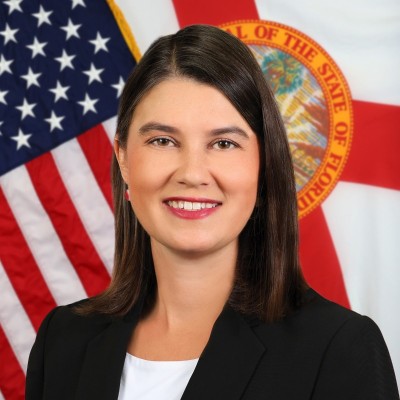
EPA Pulls Florida Talent to Fill Key Roles in Washington D.C.
Two longtime Florida DEP officials are stepping into top EPA roles, reflecting the Trump Administration’s continued reliance on Florida talent.


Two longtime Florida DEP officials are stepping into top EPA roles, reflecting the Trump Administration’s continued reliance on Florida talent.

On Wednesday, the U.S. Environmental Protection Agency announced it will rescind four of the six chemicals named in the National Primary Drinking Water Regulation, keeping maximum contaminant levels for perfluorooctanoic acid (PFOA) and perfluorooctane sulfonic acid (PFOS).
The U.S. Environmental Protection Agency last week announced $232 million in brownfields grants, including several projects in Florida.
EPA Administrator Lee Zeldin announced plans to strengthen scientific research, improve regulations, and hold polluters accountable while protecting communities from legacy contamination.

Teresa Booeshaghi, the Florida Department of Environmental Protection Deputy Director of the Division of Waste Management, announced this week she was moving to Washington D.C. to take a role with U.S. Environmental Protection Agency.
This week, the Environmental Protection Agency (EPA) and the U.S. Army Corps of Engineers published the official notice in the Federal Register (90 FR 13428) outlining significant updates to how “waters of the United States” (WOTUS) will be interpreted under the Clean Water Act.

U.S. Environmental Protection Agency (EPA) leaders on Wednesday announced it is going to redefine the Waters of the United States (WOTUS) to align with the 2023 Sackett v. EPA decision, which defines wetlands protections under the Clean Water Act (CWA).

According to a memo issued this week by Attorney General Pam Bondi, the Department of Justice is rescinding the prior administration’s “environmental justice” memoranda.

News reports indicate that the U.S. Environmental Protection Agency has withdrawn a Biden Administration plan designed to create guidelines and standards around PFAS limitations under the Clean Water Act.
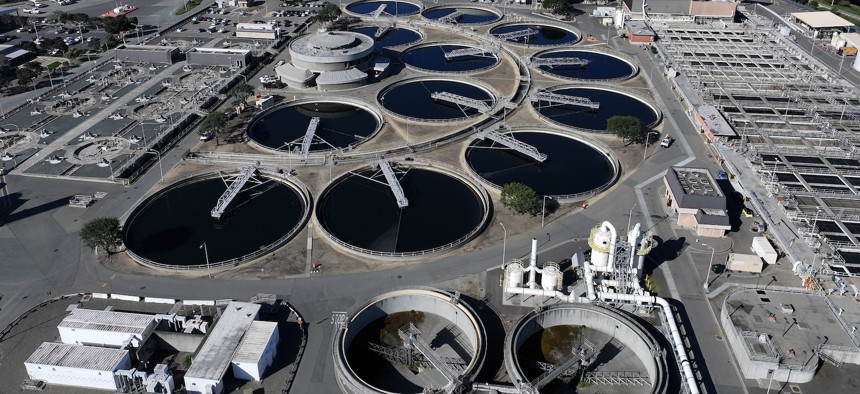
Federal officials are raising alarms over cyber threats targeting water utilities. Recent warnings from the EPA highlight the growing frequency and severity of these attacks, urging utilities to bolster cybersecurity measures to protect drinking water.

Florida has appealed a U.S. district judge’s decision to reject the shift of wetlands permitting authority to the state, with concerns raised by environmental and business groups. The judge found violations of the Endangered Species Act in the process, leading to the appeal process, with implications for various projects in the state’s development landscape.
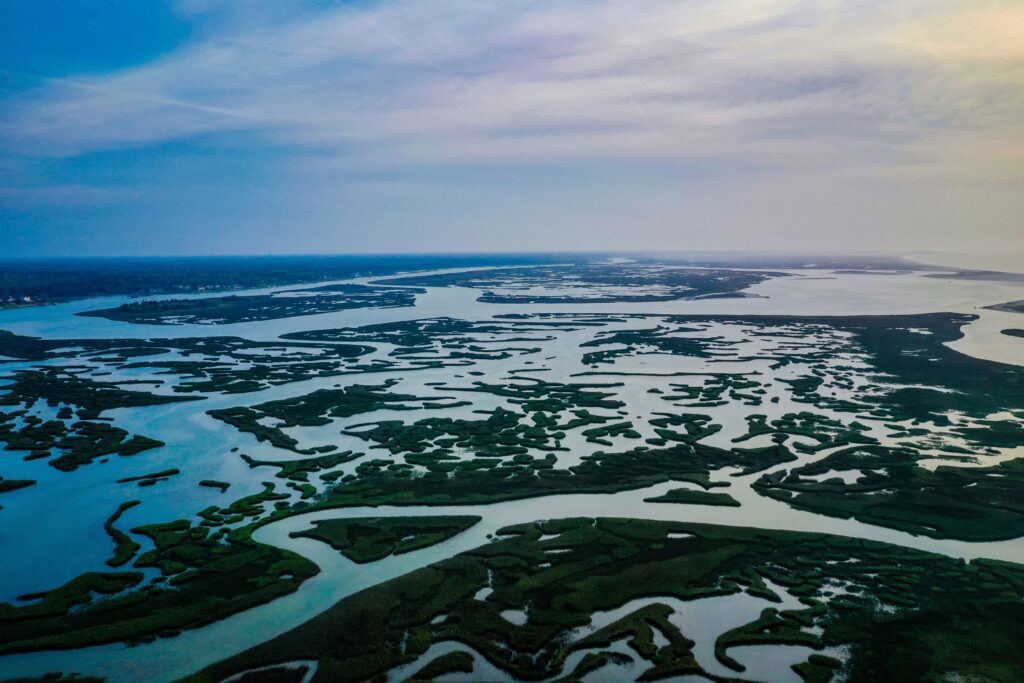
A Washington D.C. District Judge invalidated Florida’s assumption of the Section 404 Clean Water Act permitting program, leading to the United States Army Corps of Engineers taking over jurisdiction for all 404 permitting in Florida
Two longtime Florida DEP officials are stepping into top EPA roles, reflecting the Trump Administration’s continued reliance on Florida talent.
On Wednesday, the U.S. Environmental Protection Agency announced it will rescind four of the six chemicals named in the National Primary Drinking Water Regulation, keeping maximum contaminant levels for perfluorooctanoic acid (PFOA) and perfluorooctane sulfonic acid (PFOS).
The U.S. Environmental Protection Agency last week announced $232 million in brownfields grants, including several projects in Florida.
EPA Administrator Lee Zeldin announced plans to strengthen scientific research, improve regulations, and hold polluters accountable while protecting communities from legacy contamination.
Teresa Booeshaghi, the Florida Department of Environmental Protection Deputy Director of the Division of Waste Management, announced this week she was moving to Washington D.C. to take a role with U.S. Environmental Protection Agency.
This week, the Environmental Protection Agency (EPA) and the U.S. Army Corps of Engineers published the official notice in the Federal Register (90 FR 13428) outlining significant updates to how “waters of the United States” (WOTUS) will be interpreted under the Clean Water Act.
U.S. Environmental Protection Agency (EPA) leaders on Wednesday announced it is going to redefine the Waters of the United States (WOTUS) to align with the 2023 Sackett v. EPA decision, which defines wetlands protections under the Clean Water Act (CWA).
According to a memo issued this week by Attorney General Pam Bondi, the Department of Justice is rescinding the prior administration’s “environmental justice” memoranda.
News reports indicate that the U.S. Environmental Protection Agency has withdrawn a Biden Administration plan designed to create guidelines and standards around PFAS limitations under the Clean Water Act.
Federal officials are raising alarms over cyber threats targeting water utilities. Recent warnings from the EPA highlight the growing frequency and severity of these attacks, urging utilities to bolster cybersecurity measures to protect drinking water.
Florida has appealed a U.S. district judge’s decision to reject the shift of wetlands permitting authority to the state, with concerns raised by environmental and business groups. The judge found violations of the Endangered Species Act in the process, leading to the appeal process, with implications for various projects in the state’s development landscape.
A Washington D.C. District Judge invalidated Florida’s assumption of the Section 404 Clean Water Act permitting program, leading to the United States Army Corps of Engineers taking over jurisdiction for all 404 permitting in Florida