
EPA Diverts From Biden-Era Plan, Reworks PFAS Drinking Water Rules While Keeping PFOA and PFOS Limits
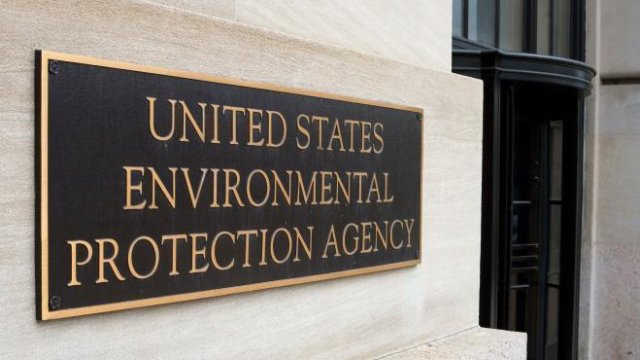
The U.S. Environmental Protection Agency announced this week changes to regulation of perfluoroalkyl and polyfluoroalkyl substances, or PFAS.

The U.S. Environmental Protection Agency announced this week changes to regulation of perfluoroalkyl and polyfluoroalkyl substances, or PFAS.

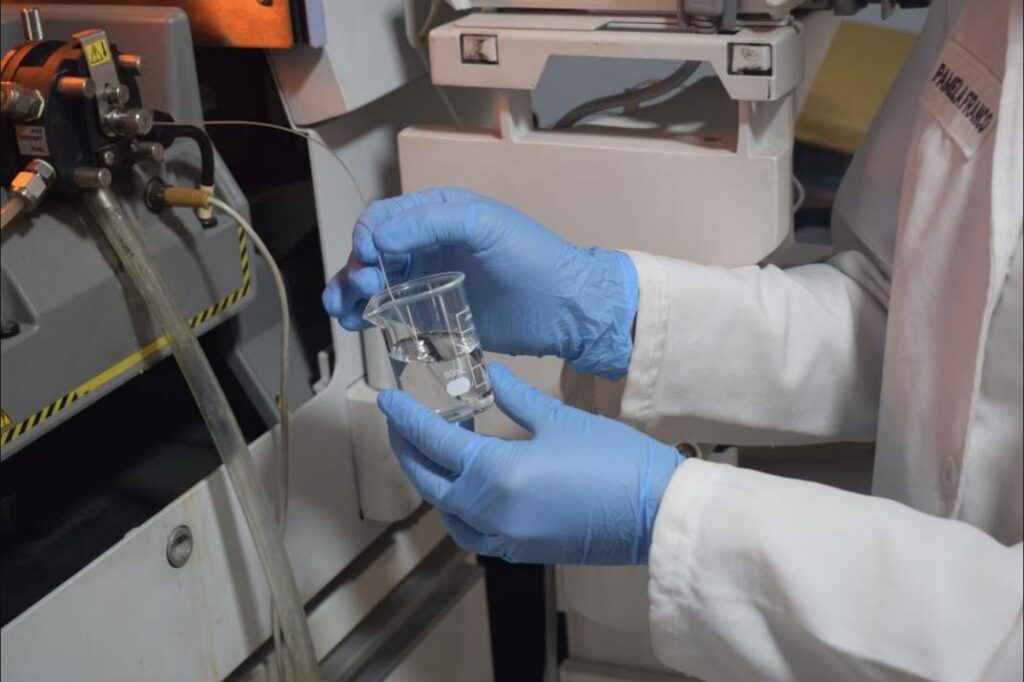
A groundbreaking study led by Dr. Natalia Soares Quinete at FIU reveals the presence of PFAS in South Florida’s rainwater. While concentrations are below EPA drinking water standards, the findings highlight concerns about long-term environmental impact and contamination of ecosystems. Researchers discuss how these “forever chemicals” could affect agriculture, water quality, and sea life, emphasizing the need for mitigation strategies like filtration systems and informed consumer choices.

The 2024 PFAS Year-End Update covers federal and state regulatory changes, litigation highlights, and Florida’s approach to evolving PFAS standards.

Delve into the complexities of PFAS regulations and their implications for drinking water safety. Discover how the EPA’s final NPDWR for PFAS sets Maximum Contaminant Levels (MCLs) for PFOA, PFOS, and other PFAS compounds, and learn about the challenges and strategies involved in compliance for public water systems.

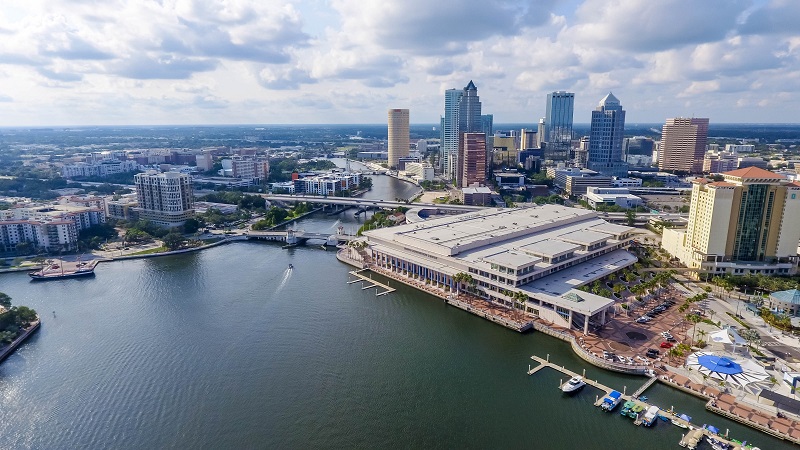
Tampa is set to become the first U.S. city to adopt Suspended Ion Exchange (SIX) technology, a groundbreaking move to filter out per- and polyfluoroalkyl substances (PFAS) from its drinking water. Known as “forever chemicals” for their durability in the environment, PFAS pose a significant water quality challenge.

The Florida PFAS Coalition has recommended strategies for addressing water contamination by “Forever Chemicals,” including the formation of a response team and testing private wells near suspected contamination zones.

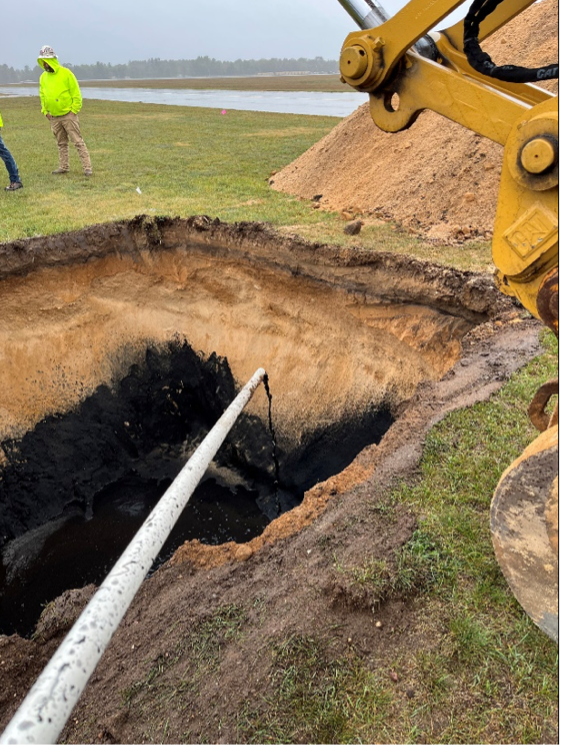
Two field pilot studies on PFAS source management showed significant reduction in PFAS soil leachate concentrations using a new colloidal activated carbon amendment.
By MACIE J. H. CODINA andRALPH A. DEMEO, Esq.,Guilday Law Firm EPA Notice of Proposed Rulemaking: An MCL is an enforceable regulatory level for public drinking water systems established as

The U.S. Environmental Protection Agency announced this week changes to regulation of perfluoroalkyl and polyfluoroalkyl substances, or PFAS.

A groundbreaking study led by Dr. Natalia Soares Quinete at FIU reveals the presence of PFAS in South Florida’s rainwater. While concentrations are below EPA drinking water standards, the findings highlight concerns about long-term environmental impact and contamination of ecosystems. Researchers discuss how these “forever chemicals” could affect agriculture, water quality, and sea life, emphasizing the need for mitigation strategies like filtration systems and informed consumer choices.

The 2024 PFAS Year-End Update covers federal and state regulatory changes, litigation highlights, and Florida’s approach to evolving PFAS standards.

Delve into the complexities of PFAS regulations and their implications for drinking water safety. Discover how the EPA’s final NPDWR for PFAS sets Maximum Contaminant Levels (MCLs) for PFOA, PFOS, and other PFAS compounds, and learn about the challenges and strategies involved in compliance for public water systems.

Tampa is set to become the first U.S. city to adopt Suspended Ion Exchange (SIX) technology, a groundbreaking move to filter out per- and polyfluoroalkyl substances (PFAS) from its drinking water. Known as “forever chemicals” for their durability in the environment, PFAS pose a significant water quality challenge.

The Florida PFAS Coalition has recommended strategies for addressing water contamination by “Forever Chemicals,” including the formation of a response team and testing private wells near suspected contamination zones.

Two field pilot studies on PFAS source management showed significant reduction in PFAS soil leachate concentrations using a new colloidal activated carbon amendment.
By MACIE J. H. CODINA andRALPH A. DEMEO, Esq.,Guilday Law Firm EPA Notice of Proposed Rulemaking: An MCL is an enforceable regulatory level for public drinking water systems established as
Enter your username and password
to access premium features.
Don’t have an account? Join the community.
Subscribe today to receive our weekly newsletter, delivered to your inbox every Monday morning.